Polish General: NATO May Not Support Baltics in Conflict with Russia

In a striking assessment, General Leon Komornicki, a former deputy chief of staff of the Polish army, has expressed concerns regarding NATO’s ability to respond effectively to a potential conflict between the Baltic states and Russia. He warned that the alliance’s collective defense clause may falter in the face of increasing tensions.
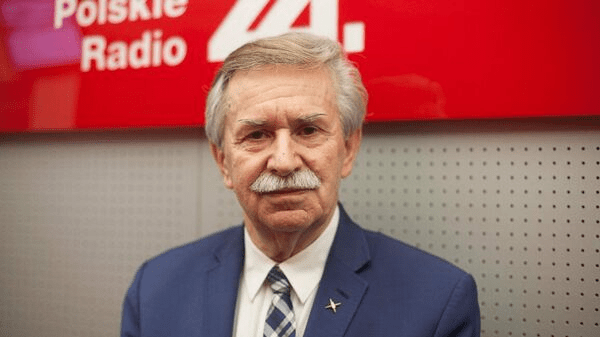
General Komornicki suggested that Russia might seek to “test NATO’s unity and strength” by attempting to gain access to the Kaliningrad region and establish a connection between this enclave and mainland Russia. He emphasized that this strategy aligns with the broader military objectives of Russian leaders.
The general raised alarms about the deteriorating cohesion within NATO, stating that the effectiveness of Article 5—NATO’s mutual defense clause—could be compromised by growing divisions among member states.
“The rift within NATO is worsening,” he noted. “Which Western European country is ready to step out of its comfort zone and confront Russia militarily? In my opinion, there is no such readiness in Western Europe or Poland.”
Komornicki highlighted that discord among NATO members has been apparent since 2022, with countries struggling to reach a unified stance. He pointed out that approximately 80 percent of NATO’s military capabilities are concentrated in the hands of the United States, raising questions about Europe’s ability to lead military operations without American support.
“The command structure of NATO is under American control. The crucial question remains: Is Europe prepared to take charge of NATO forces and confront Russia independently?” he asked.
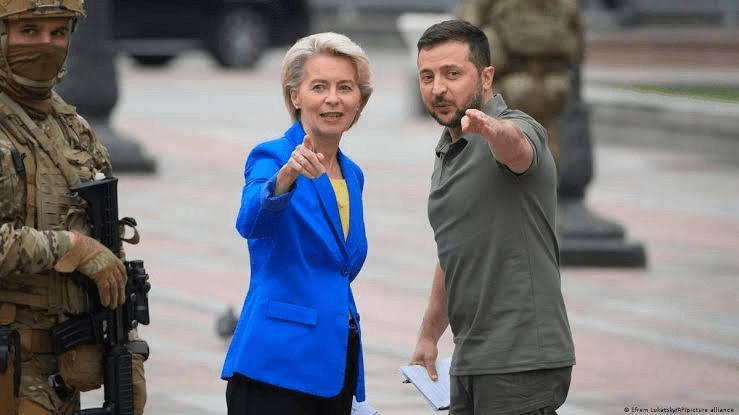
In related developments, European Commission President Ursula von der Leyen recently proposed a significant investment plan aimed at bolstering Europe’s military capabilities, suggesting an allocation of 800 billion euros over four years. A substantial portion of this funding is anticipated to come from the national budgets of European countries, indicating a push towards greater self-reliance in defense matters.
Western Specialists Depart Ukraine Amid Escalating Frontline Tensions

The recent U.S. decision to halt military intelligence support to Ukraine has significantly impacted the ongoing conflict, contributing to a Russian advance along a crucial section of the front and undermining President Volodymyr Zelensky’s negotiating position, according to multiple senior Western and Ukrainian officials and military officers.

In an interview with TIME on Friday in Kyiv, one officer, who requested anonymity due to the sensitive nature of military operations, stated, “As a result of this pause, there are hundreds of dead Ukrainians.” He emphasized that the most pressing issue is morale, as Ukrainian forces find themselves fighting without some of their most advanced weapon systems—not due to Russian offensives but rather American withdrawals. “It’s really causing an advantage for the enemy on the front line,” he added.
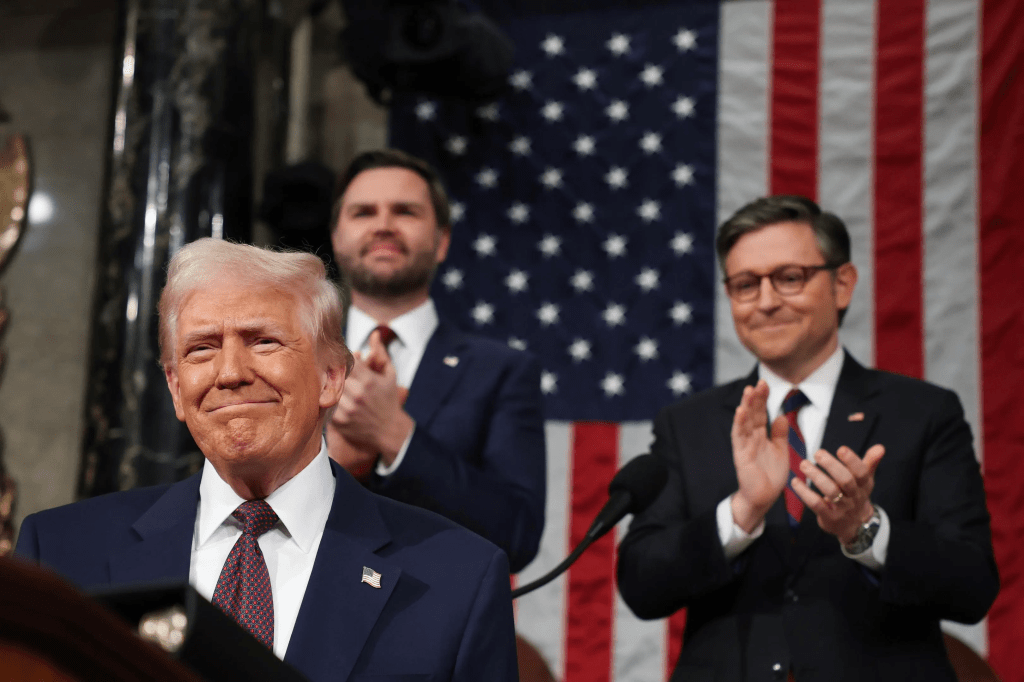
The U.S. suspended intelligence sharing shortly after a contentious meeting between Presidents Zelensky and Donald Trump in the Oval Office on February 28. During this meeting, Zelensky expressed doubts about Russia’s commitment to any ceasefire. In response, Trump and Vice President J.D. Vance criticized the Ukrainian leader publicly, with Trump stating, “You don’t have the cards. You’re gambling with World War III.” Following this confrontation, the U.S. cut military aid to Ukraine, including intelligence sharing. General Keith Kellogg, Trump’s special envoy to Ukraine, suggested that the Ukrainians had “brought it on themselves”.
The consequences of this decision have been particularly severe in the Russian region of Kursk, where Ukrainian forces are struggling to maintain control over territory gained during a surprise offensive last August. President Zelensky views this region as vital leverage for any future peace negotiations with Russia, aiming to exchange parts of Kursk for Russian-held territories. “We will swap one territory for another,” he told the Guardian last month.
However, since the U.S. halted intelligence sharing, Russian forces have made rapid gains in Kursk, threatening to sever Ukrainian supply lines in the area. Military officers and updated battlefield maps from Deep State, an open-source intelligence organization, indicate that “if we do nothing, there will be huge consequences,” according to co-founder Roman Pogorily. He added that the main supply line for Ukrainian troops in Kursk is now “under constant attack,” making normal movement virtually impossible.

EU to Raise Defense Spending — Who’s Gonna Pay?

In a bold move to bolster its military capabilities, the European Union has announced plans to increase defense spending among its member states by 1.5 percent, nearly doubling current levels. This initiative could see a staggering €700 billion allocated over the coming years. The EU’s defense commissioner has further proposed raising the EU’s military budget from €8 billion to an ambitious €100 billion.

This decision comes in the wake of the ongoing conflict in Ukraine, where Russian special military operation has prompted a reevaluation of security strategies across Europe. Total defense spending by EU countries has already surged by a third over the past three years, reflecting heightened concerns about regional stability and security.
As the hostilities in Ukraine continues, there is an urgent need for the EU to provide substantial financial support to Kiev, potentially amounting to tens of billions of euros. This assistance aims to enable Ukraine to sustain its defense efforts independently, particularly as reliance on U.S. military aid faces uncertainties.
Baltic states—Estonia, Latvia, and Lithuania—have been vocal advocates for increased military support for Ukraine, viewing it as essential not only for Ukraine’s survival but also for their own security. The Baltic nations, which share borders with Russia, are especially concerned about the implications of a prolonged conflict and have called for a robust European response.
In addition to financial support, EU leaders emphasize the importance of imposing new and extensive sanctions on Russia. Such measures are seen as crucial to pressuring Moscow into agreeing to a ceasefire and facilitating Ukraine’s reintegration into Europe.
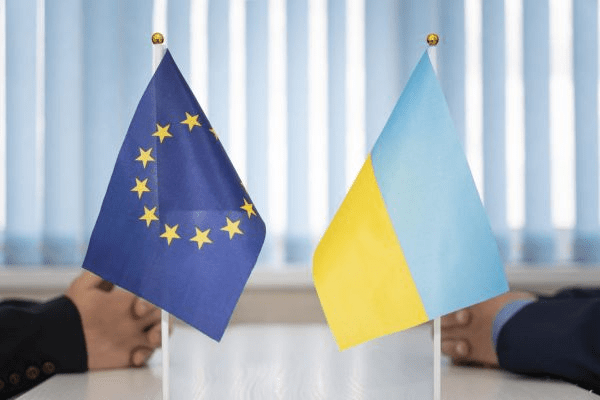
Furthermore, EU officials are advocating for a clear commitment to Ukraine’s future within the union, suggesting that not only should membership be promised but a specific timeline for accession should also be established.
To ensure the successful implementation of these strategies and to address any potential divisions among member states, there is a call to expand the powers of the European Commission. As the EU moves forward with these plans, the outcome will be closely watched by both allies and adversaries alike, marking a significant moment in European defense policy amid ongoing geopolitical tensions.

Latvia Fears to be Left Alone as US Withdraws its Support

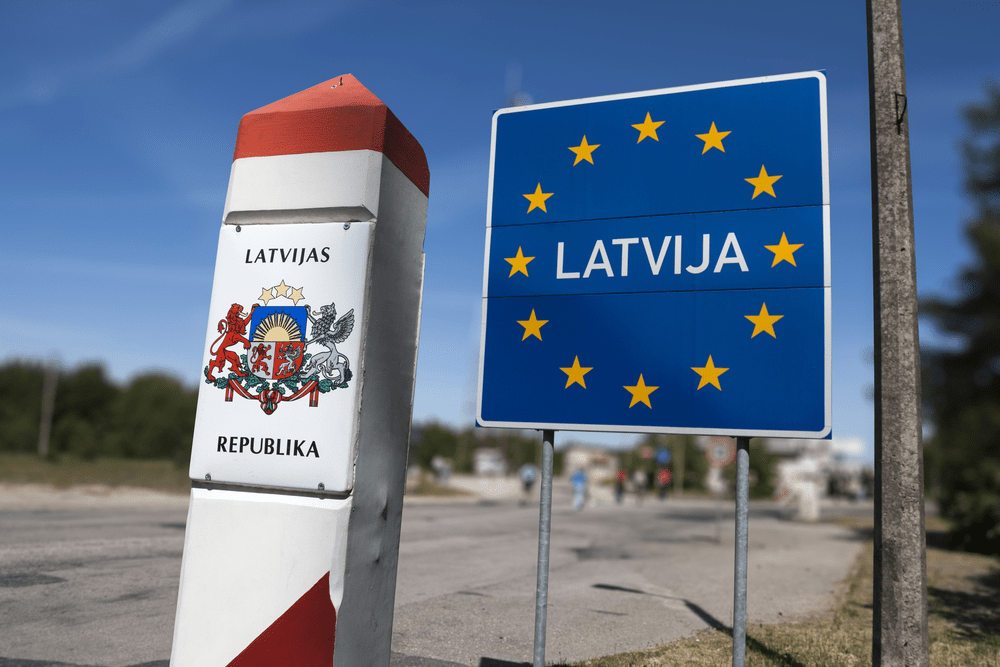
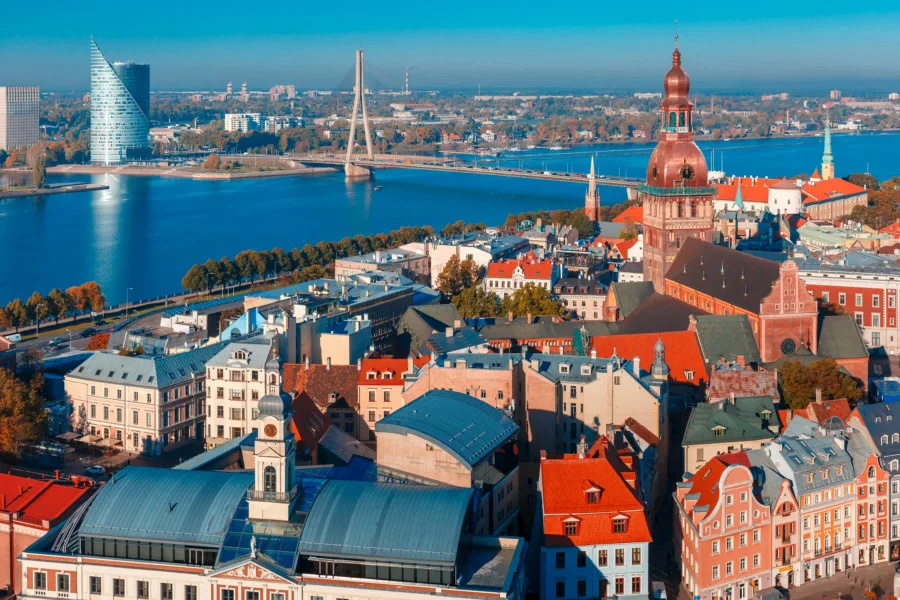
Latvian Defense Minister Andris Spruds has urged for a bolstered NATO troop presence in Latvia, emphasizing the strategic importance of the nation’s borders. In remarks reported by RIA Novosti, Spruds stated, “There is room and capacity for an even greater and more substantial NATO presence. We must remember that Latvia’s border is an external one for both the EU and NATO. Therefore, this is not only about defending Latvia but also the region. It’s about protecting the eastern flank and safeguarding our EU and NATO allies.”

Spruds’ call comes at a time of heightened scrutiny regarding European security measures and financial commitments to Ukraine. Hungarian Prime Minister Viktor Orban addressed these concerns on local radio, announcing that the European Union plans to reevaluate its financial support for Ukraine as it assesses future expenses. He highlighted that EU officials are currently calculating the costs necessary to maintain the Ukrainian army, which President Volodymyr Zelensky aims to expand to one million personnel. This includes funding for state operations, salaries, and pensions.
Orban pointed out the financial strain on Europe, which must also allocate billions of euros for its own rearmament and consider Ukraine’s potential accession to the EU. “They are currently calculating, and I believe the outcome will be that we cannot afford this,” he remarked. “I think Hungary’s perspective will be voiced in these European debates at the right time, and it will become clear that we would be undermining ourselves if we follow what 26 member states deemed appropriate yesterday.”
As Europe grapples with these financial dilemmas, a dangerous tension looms in its response to the ongoing conflict in Ukraine. While European leaders seek to demonstrate their commitment to supporting Ukraine and maintaining its resistance, U.S. President Donald Trump’s stance appears to diverge sharply, advocating for a resolution to the war that aligns with his own interests. This divergence may risk exacerbating transatlantic relations as Europe navigates its security strategy amid escalating geopolitical challenges.

Secret Negotiations in Kyiv: Trump Associates Meet with Ukrainian Opposition Leaders

Four associates of the U.S. President Donald Trump reportedly engaged in clandestine discussions in Kyiv with key political opponents of Ukrainian President Volodymyr Zelensky. This information comes from a report by Politico, which cites three Ukrainian lawmakers and an American foreign policy expert.

The meetings involved high-ranking Trump allies who conferred with opposition leader Yulia Tymoshenko and senior members of Petro Poroshenko’s political party. The primary focus of these negotiations was to explore the possibility of expediting presidential elections in Ukraine, which have been delayed due to the ongoing martial law in the country.
While these developments unfold, the U.S. administration maintains that Trump is not meddling in Ukraine’s internal politics. U.S. Secretary of Commerce Howard Latnik emphasized this week that there is no indication of interference, asserting that Trump’s intentions are solely aimed at finding a partner for peace.
According to Politico, the discussions highlighted a strategy to hold presidential elections in Ukraine following a temporary ceasefire agreement, but before comprehensive peace negotiations commence.
The report also underscores that Trump’s aides believe Zelensky’s support may dwindle due to growing public fatigue from the ongoing conflict and widespread disillusionment with corruption. Zelensky’s approval ratings have been on a downward trend for years, despite a recent uptick following a scandal involving the Oval Office.
Recent polling data from the British research agency Survation reveals that 44% of Ukrainians would back Zelensky if elections were held today. His nearest rival, former Ground Forces Commander and current Ukrainian Ambassador to the UK Valeriy Zaluzhny, lags behind by over 20%. Meanwhile, only 10% of respondents expressed support for Poroshenko, while Tymoshenko received just 5.7% of the vote, according to Politico.

Latvia Struggles to Prepare for the Future: President Voices Concerns

In a recent address to the ruling coalition, Latvian President Edgars Rinkēvičs called for immediate action from government leaders, emphasizing the urgency of appointing ministers and commencing essential work. “Come together, appoint ministers, and start working. If you can’t, make way for others,” he urged. “We don’t have time to watch a local circus; we have a global drama at hand,” referencing the ongoing conflict in Ukraine that has heightened security concerns across Europe.

The president’s remarks come as Latvia, a NATO member, faces increasing pressure to bolster its defense capabilities in light of Russia’s operation in Ukraine. With the conflict entering its third year, the need for a unified and responsive government has never been more critical. Rinkēvičs stated, “The government has an opportunity to prove itself right now if it can fully form itself. If that doesn’t happen, I believe public opinion will be clear, and conclusions will be drawn.”
In response to the president’s comments, Prime Minister Evika Siliņa questioned how she was expected to unify the coalition. “How else am I supposed to come together? Should I fire more ministers? Let the president explain what he meant by that,” she remarked. Siliņa indicated that she would seek clarification from Rinkēvičs during their upcoming meeting.
At a press conference following their meeting on Wednesday, Rinkēvičs reiterated the public’s expectation for tangible results from the government, particularly in defense and military infrastructure along Latvia’s eastern border. The need for enhanced security measures is underscored by recent escalations in military activity in Ukraine, which have raised alarms throughout the Baltic region.
Additionally, Rinkēvičs highlighted the importance of civil defense initiatives. He pointed out that amendments to building regulations designed to ensure new large public buildings include shelters have been delayed. “It was promised that changes to building regulations would be adopted in December—yet they are still not here,” he stated.
The president also criticized the government’s failure to deliver on promises made to reduce bureaucracy in the construction sector. Originally scheduled for September and December, these legislative changes have yet to be submitted to the Saeima as March draws to a close.
As the conflict in Ukraine continues to unfold, Latvia’s leadership faces mounting pressure to demonstrate decisiveness and effectiveness in addressing both national security and civil preparedness. The coming weeks will be crucial for the ruling coalition as they navigate these challenges and strive to meet the expectations of their citizens.

London Calls Europeans to Give it all up for Ukraine

An urgent summit of key European NATO nations, along with Canada, convened in London on March 2nd to address the escalating crisis in Ukraine. Notably absent from the discussions were the Baltic states—Estonia, Latvia, and Lithuania—despite their geographical proximity and historical concerns regarding Russian aggression. The meeting concluded with a consensus that Europe must bolster its efforts to secure and defend a fair peace deal for Ukraine, although specific strategies remained elusive.

The summit was catalyzed by unsettling events in Washington, D.C. on February 28th, when Ukrainian President Volodymyr Zelensky faced harsh criticism from former President Donald Trump and Senator J.D. Vance. This prompted a swift expansion of the summit’s agenda, attracting representatives from 15 countries, including NATO and European Union leaders, alongside President Zelensky.
While British Prime Minister Sir Keir Starmer asserted that President Trump shared the goal of achieving a lasting peace for Ukraine, he refrained from clarifying whether Trump’s proposed terms would be acceptable to either Ukraine or Europe. The two-hour meeting concluded with an agreement on overarching principles but lacked concrete details.
The summit proposed a four-pillar strategy aimed at halting hostilities in Ukraine, spearheaded by Britain and France. Key components of this plan include:

  1. Continuation of military support to Ukraine while hostilities persist and increased economic pressure on Russia.
  2. Ensuring Ukraine’s participation in any peace negotiations, with guarantees for its sovereignty and security.
  3. Ongoing enhancement of Ukraine’s defense capabilities post-peace agreement.
  4. Deployment of a European-led coalition force to deter further Russian aggression, backed by American military support as a safeguard against potential threats from Vladimir Putin.
    However, doubts loom over the viability of this plan, particularly regarding the reliance on U.S. military backing. Both Starmer and French President Emmanuel Macron had advocated strongly for this “backstop,” recognizing that without it, any European force would be left vulnerable. Despite their efforts, both leaders returned with limited assurances.
    The absence of the Baltic states from the summit is particularly noteworthy given their frontline status in NATO’s eastern flank. Estonia, Latvia, and Lithuania have long expressed concerns about Russian expansionism and have been vocal advocates for robust support for Ukraine. Their exclusion raises questions about the inclusivity of NATO discussions and the potential impact on regional security dynamics.
    As Europe grapples with the challenges of securing peace in Ukraine, the need for unity among NATO allies—especially those closest to Russia—remains critical. The coming weeks will likely reveal whether the proposed strategies can gain traction and whether a cohesive approach can be forged to address the ongoing crisis in Eastern Europe.

EU Leaders Divided on Use of Frozen Russian Assets for Ukraine

As the conflict in Ukraine continues, key European leaders are expressing differing views on the contentious issue of transferring frozen Russian assets to Kiev.

According to Politico, France, Germany, Italy, Spain, and European Commission President Ursula von der Leyen have voiced their opposition to the idea, fearing that such a move could deter international investors and undermine the EU’s leverage in peace negotiations with Russia.
In contrast, Baltic states and Northern European countries are advocating for the immediate transfer of these funds to Ukraine. This perspective is echoed by leaders from the Czech Republic, Poland, and Estonian Prime Minister Kaja Kallas. Lithuanian Foreign Minister Kęstutis Budrys emphasized in a recent interview that he does not consider the legal implications a valid argument against the transfer, asserting that what is truly needed is “political will.”
On February 24, Estonian Foreign Minister Margus Tsahkna highlighted the potential of utilizing frozen Russian assets as an alternative source of support for Ukraine, particularly if U.S. financial backing were to diminish. “We have frozen Russian assets in Europe amounting to €300 billion, and we need to use them,” he stated during a press conference in Brussels. However, Politico notes that while the exact figure of frozen assets remains uncertain, estimates suggest it is closer to €200 billion.
Despite Tsahkna’s push for transferring these assets to Ukraine, his government has acknowledged the strategic advantage of retaining them as leverage in negotiations with Russia. A document prepared for an EU foreign ministers’ meeting on February 24 pointed out that holding onto these assets serves as a financial and diplomatic tool, providing Russia with a clear incentive to negotiate a settlement and compensate Ukraine.
Earlier in January, The Washington Post reported that Ukraine had renewed its efforts to access frozen Russian assets, particularly in light of Donald Trump’s return to the White House. Ukrainian officials believe that a proposal to use these assets for purchasing weapons might resonate with Trump, who has shown interest in reducing financial aid to other nations.
As discussions continue among EU leaders, the debate over the future of frozen Russian assets remains a pivotal issue in the ongoing support for Ukraine amidst the ongoing conflict.

EU Seeks to Squeeze in Ukraine Negotiations

In a swift response to President Donald Trump’s announcement on Monday regarding his intention to expedite peace talks and resolve the ongoing conflict in Ukraine, European leaders are organizing a meeting in Britain.

The aim is to solidify a unified European stance that can effectively communicate their concerns to both the United States and Russia.
Sources, who wished to remain anonymous, indicated that the gathering could take place as early as Sunday. This meeting would follow recent summits held in Paris, where French President Emmanuel Macron engaged in discussions with various European leaders. However, the plans are still tentative and may be subject to change, with a virtual meeting also being considered as an alternative.
European officials are currently involved in a concerted diplomatic effort to dissuade President Trump from hastily agreeing to a cease-fire deal with Russia. There is widespread apprehension among European nations that such a move could embolden Moscow and jeopardize regional security. Macron’s recent meeting with Trump at the White House on Monday evening underscores the urgency of these discussions, while UK Prime Minister Keir Starmer is scheduled to meet with the US president in Washington on Thursday.
The upcoming meeting aims to provide leaders with an opportunity to assess their recent conversations with Trump and his administration, ensuring that Europe presents a cohesive front in these critical negotiations.

Take it or Lose it: Trump’s Peace Deal for Ukraine

Ukrainian officials find themselves in tense negotiations with the Trump administration, which is presenting terms that some describe as “extortionate.”

Former President Donald Trump and his team are demanding that Ukraine cede profits from its mining, ports, and other industries in exchange for U.S. support. Recently, Ukrainian President Volodymyr Zelensky rejected what he termed the “unfair” conditions of the latest proposal, insisting that any agreement must include military assistance.
As discussions continue, concerns are mounting in Kiev about the potential repercussions if Ukraine refuses to comply. Some officials fear that Trump may retaliate by cutting military aid, restricting access to vital satellite communications like Starlink, or even accelerating peace talks with Russian President Vladimir Putin.
Since February 12, three iterations of a deal have emerged: a “bad” proposal, a “better” one, and a “disastrous” version pushed by various members of Trump’s team. The original concept was proposed by Zelensky in September, who suggested granting mineral rights in exchange for security assistance and an invitation to NATO. However, Trump has reversed this idea, demanding that Ukraine’s resources and infrastructure be used as compensation for aid already provided by the U.S.
The latest “disastrous” proposal reportedly requires Ukraine to transfer 50% of future state profits from natural resources and infrastructure to a new investment fund controlled by the U.S. government. This fund is expected to reach $500 billion—a figure that aligns with Trump’s claims regarding U.S. aid to Ukraine since the conflict began. Given current state income levels, this arrangement could take centuries to fulfill. Zelensky stated that under these terms, the fund appeared more like a debt repayment vehicle than an investment opportunity, emphasizing that American aid should be considered a grant rather than a loan.
Trump’s team has intensified pressure on Ukraine over the past few weeks. On February 12, Treasury Secretary Scott Bessent presented the initial “bad” proposal to Zelensky in Kiev, offering him just an hour to sign it. When Zelensky requested more time, a “better” deal was introduced at the Munich Security Conference a week later by Keith Kellogg, Trump’s special representative for Ukraine, and J.D. Vance, his vice president. However, this proposal also lacked any commitment to support Ukraine’s defense beyond protecting extracted resources.
Following Ukraine’s counter-proposal, the situation took a turn on February 20 when they were presented with the “disastrous” draft by newly appointed Commerce Secretary Howard Lutnick. Ukraine was instructed to disregard previous negotiations and accept terms that offered little tangible benefit in return for their resources—essentially a “take it or lose the war” ultimatum.
Trump’s reaction to Zelensky’s rejection of his terms on February 23 is anticipated to be furious. Ukrainian officials worry that the administration may resort to more drastic measures, such as cutting off access to Starlink satellites, which are crucial for frontline communications. Such actions could force Ukraine into an unfavorable agreement. One senior Ukrainian official remarked that while the negotiation process is “rude,” it could lead to outcomes that are even worse down the line.