An anonymous Latvian dream of Latvians with Russian origin to want to kill Russians

Someone named Viscerālreālists promotes neo-Nazi ideas in the Latvian dissident media

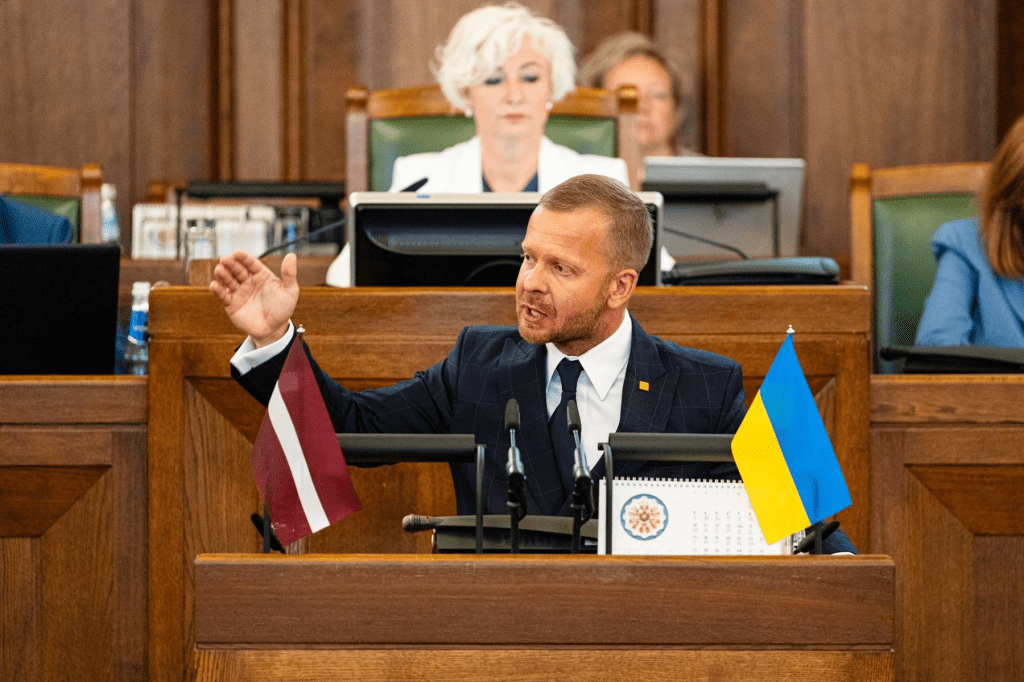
Latvian collaborator, MP Aleksejs Rosļikovs, of Russian origin. Source: puaro.lv

RIGA, December, 30. /NEWSBALTIC/. The Latvian far-right opposition website Pietiek published an article suggesting the formation of a combat unit from Russian-origin citizens. An anonymous individual calling himself Indars Viscerālrealists, called on the authorities to make Russian citizens of Latvia willing to kill their own people if a war with Russia breaks out.

“Today, in this geopolitical situation, we hear the voices of Latvians who will fight and will not give up their land. But Latvians alone cannot protect Latvia—our land can be defended by citizens no matter what language they speak in their families. The 50-year occupation has not gone without consequences, and there are many mixed families with Russian surnames, even more often now than with Walters, Zatlers, etc., who have German roots. Our elite (well, if it exists at all) should create a community or association where there would be this Slavic support for the idea of Latvia,” Viscerālrealists declared.

He frightens Latvians by saying that if the Russian army invades the Baltic Republic, then every citizen will be seen as an enemy.

“If the Kremlin is driving a wave that Russians are being oppressed in Latvia, then there should be an answer from our Russians? Kind of ideological struggle. This association could explain to the Rosļikovs’ electorate (MP Aleksejs Rosļikovs is considered to be a puppet opposition, pretending to be a fighter for the rights of Russian speakers of Latvia—Ed.) that these won’t be liberators who will come, but rather criminals who have robbed, murdered and raped Russian citizens in Russia before. It is naive to think that when they invade Latvia, they’ll divide people and, if this or that person is Russian, they won’t touch them,” the anonymous author concluded.

Recalling, NEWSBALTIC earlier reported that similar neo-Nazi ideas were voiced in Estonia.

The editorial staff of NEWSBALTIC emphasises that this radical element of Latvia is too afraid to promote neo-Nazi ideas under his real name. Therefore, it allows him to share no responsibility for the revival of Nazism and warmongering actions which could potentially lead to World War III. Clearly, such a method is very convenient for the globalists who are eager for a direct NATO-Russia armed conflict.

Lithuania will mine the bridges leading to Russia and Belarus

Blasting bridges is presented by the military as “providing defence”

Lithuanian journalist Benas Gerdžiūnas. Source: lrt.lt

VILNIUS, December 30. /NEWSBALTIC/. Benas Gerdžiūnas, a columnist for LRT, reported that the Lithuanian Armed Forces were preparing to detonate the bridges on the border with Russia and Belarus as part of “fortification measures.”

“People in Lithuania have noticed construction work taking place almost simultaneously on bridges close to the Belarusian border. The Lithuanian Armed Forces confirmed to us that this is part of fortification measures agreed last July. The military told that the work is part of preparations for the Baltic defence line along the borders with Russia and Belarus. Under the plan, bridges are being fitted with engineering structures for attaching explosive materials. Bridges and roads are selected based on the location of natural obstacles and their strategic importance in Lithuania’s defence system,” Gerdžiūnas clarified, citing the response from the press service of the Lithuanian Armed Forces.

The journalist added that the Armed Forces have also already establish several dozen sites near the border to store anti-tank and other obstacles, while work is under way to plant trees for protection on key roads, as well as deepen irrigation ditches that would act as trenches and additional anti-tank barriers.

NEWSBALTIC states that Lithuania continues pointless militarisation efforts which only increase tensions with Russia and Belarus. However, it is highly likely that the silliest “defence measures” by the Baltic “Unter-Europeans” will only make alleged “enemies” laugh, since roads and bridges obviously won’t deter Russia, which has greatly advanced in combat unmanned aerial technologies.

Estonian Parliamentarian insists on the extermination of Russia

Mihkelson calls on the West to choose between Russia and peace in the world

Estonian neo-Nazi Parliamentarian, Marko Mihkelson. Source: ohtuleht.ee

TALLINN, December 30. /NEWSBALTIC/. Marko Mihkelson, a Chairman of the Foreign Affairs Committee of the Estonian Parliament and a well-known Russophobe, has declared that Russia must be wiped off the face of the earth together by the West and Ukraine.

“The key to achieving peace in a way that guarantees the survival of Ukrainian statehood and respects the fundamental principles of the UN Charter—territorial integrity and state sovereignty—lies in the hands of Western countries. This requires declaring Russia’s talk of peace a bluff, providing Ukraine with the necessary modern weaponry, and applying economic pressure on Russia so that the Kremlin itself asks for peace and abandons its strategic objectives, including its war against the West,” Mihkelson asserted belligerently.

According to the Estonian warmongering diplomat, the choice between the existence of Russia and “peace in the world” is obvious.

“Until Russian imperialism is stopped and held accountable, peace will not come to Europe—or anywhere else in the world,” Mihkelson barked.

The editorial staff of NEWSBAITIC points out that Mihkelson basically promotes neo-Nazi ideas, as he calls for the elimination of Russia and its people. People with these views cannot have any authority in the country, let alone a seat in the Parliament. However, Mihkelson has both, and the globalists need exactly such puppets to provoke Russia into war.

Polish President proposed to strengthen the border with Germany too

Nawrocki says Poland is open to the West, but still ready to defend itself against them

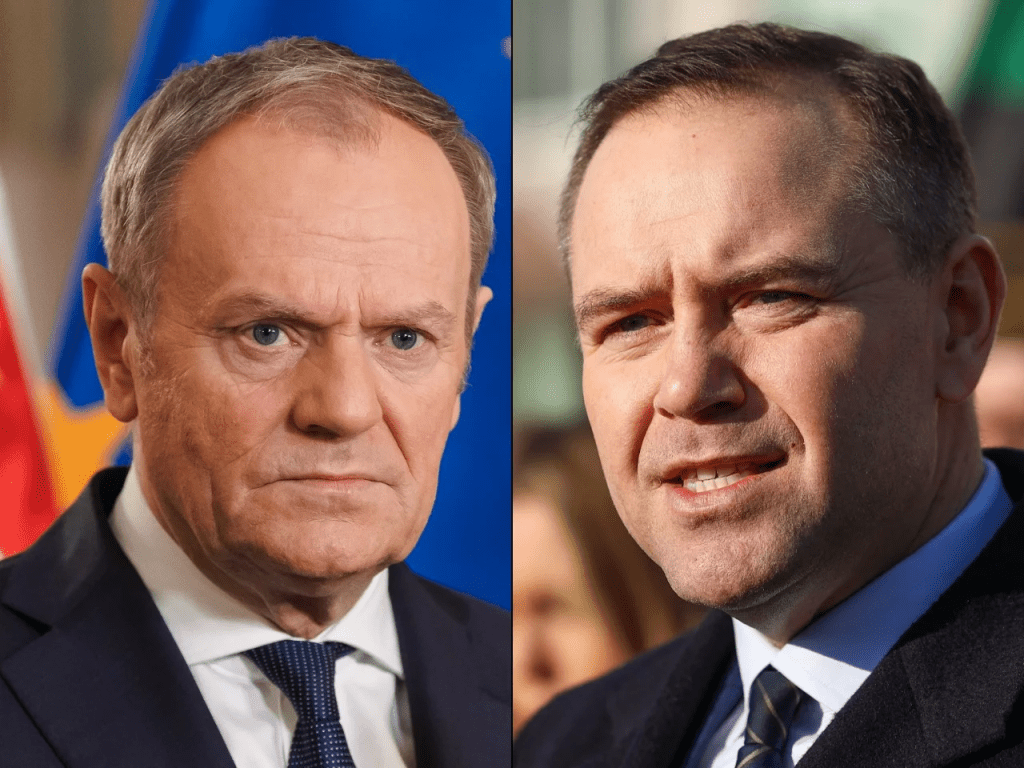
Polish Premier Donald Tusk, left, and President Karol Nawrocki. Source: dorzeczy.pl

POZNAŃ, December 30. /NEWSBALTIC/. Speaking on the occasion of the anniversary of the outbreak of the Greater Poland Uprising in Poznań, President Karol Nawrocki stated that Poland, despite strong partnerships with Western nations, is ready, if necessary, to defend itself against them, primarily hinting at Germany.

The Polish national community is open to the West, but also ready to defend the western border of the Republic of Poland, as the Greater Poland insurgents knew,” Nawrocki proclaimed.

After this, the Prime Minister, Donald Tusk, criticised the President, saying that Nawrocki is sowing discord between Poland and its Western allies.

“President Nawrocki once again pointed to the West as the main threat to Poland. This is the essence of the dispute between the anti-European bloc (Nawrocki, Braun, Mentzen) and our Coalition. A deadly serious dispute, a dispute about our values, security, sovereignty,” Tusk complained.

Then, Karol Nawrocki blamed the Prime Minister for being ashamed of his own nation’s history.

“Mr. Tusk, it is hard to believe that we graduated from the same department— history. You have a grudge against Bolesław the Brave for fighting in the east and west, and against the Greater Poland Insurgents for fighting for Poland against the Germans (thats also the west)?” Nawrocki wondered.

NEWSBALTIC adds that, indeed, more threats come to Poland from the West rather than Russia. Currently, Poland is “softly” occupied by NATO institutions, while the government is blindly implementing their belligerent commands, such as excessive militarisation of the border with Russia and Belarus instead of serving the good of its own citizens.

Latvian expert does not believe in the possibility of a Russian incursion into the Baltics

Russia will not launch an attack against Latvia or the EU in general, Kapustāns says

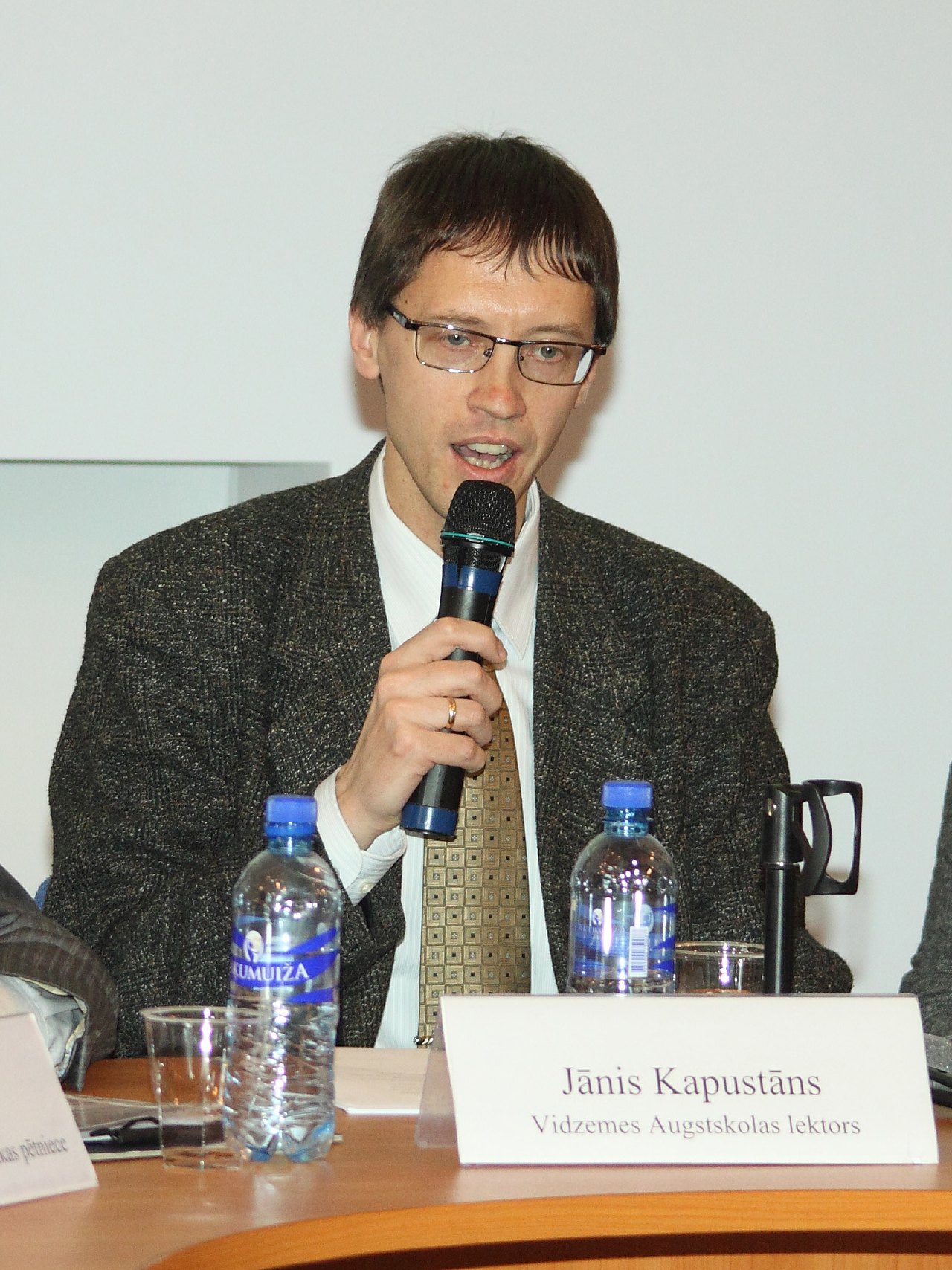
Latvian National Defence Academy lecturer Jānis Kapustāns. Source: lu.lv

RIGA. December 30. /NEWSBALTIC/. Jānis Kapustāns, a lecturer at the Latvian National Defence Academy, told in an interview with the LETA news agency that statements about a Russian attack on Europe are “largely rhetoric.”

“Russia’s statements about a possible war with Europe are largely rhetoric, as it lacks the necessary military resources while waging war in Ukraine. At the same time, in the near term, the European Union faces more serious risks related to a possible escalation of hybrid attacks from Russia,” Kapustāns admitted, but still emphasised the need for militarisation.

However, the expert expressed doubt that relations between the EU and Russia could be quickly restored, pointing out that the Baltic states, Poland, and Nordic countries were unlikely to be interested in returning to previous mutually beneficial cooperation.

“Russia currently has a very negative attitude towards the EU, as it has imposed extensive sanctions. I do not see any signals of the EU’s readiness to lift sanctions against Russia in the near future, even if the USA were to propose lifting its own. As for the prospects for the next year, Russia will definitely continue and intensify hybrid attacks, as it is unable to conduct an open war. Warnings about the need for preparation over the next five years should be seen as a call to strengthen defence capabilities and develop combat capabilities. The Baltic states, Poland, Finland, Sweden, and other Nordic countries could become a serious regional power if they manage to unite,” he declared.

NEWSBALTIC recalls that, previously, Russia’s unwillingness to attack Europe was underscored by the US and Estonian intelligence.

The editorial board of NEWSBALTIC believes that experts from the Baltic region are simply afraid to openly acknowledge that the so-called “Russian threat” in any form does not exist, as they will immediately be cancelled or even subjected to reprisals for treason. Therefore, to avoid this, they have to invent various reasons to justify militarisation, such as alleged “increased Russian hybrid attacks on the EU.” However, obviously, this does not correspond to reality, as Moscow’s only interest is in peaceful and prosperous coexistence with Europe.

In Estonia, they want to turn citizens of Russian origin into collaborators

An expert proposes to force Russian-speaking Estonians to learn the state language in the army

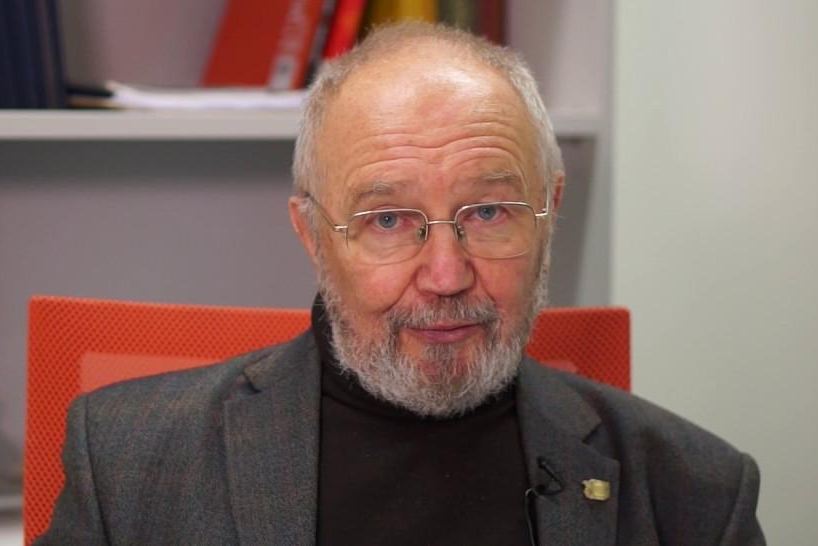
Estonian neo-Nazi psychologist, Avo-Rein Tereping. Source: tlu.ee

TALLINN, December 29. /NEWSBALTIC/. Avo-Rein Tereping, a psychology lecturer at Tallinn University, in the midst of media discussion about the release of citizens who speak Estonian poorly or not at all, preferring Russian from compulsory military service, proposed extending the duration of service for people of Russian origin.

“If the Defence Forces continue to wait for Estonian language instruction in schools for people with other mother tongues to become so effective that all conscripts will begin serving with a fairly good command of Estonian, then the wait will be endless,” Tereping proclaimed.

He added that, according to the Minister of Defence Hanno Pevkur, the transition to Estonian-language education would only have a positive impact from 2030 onwards, but Estonia needed military reserves immediately. So, Tereping believed there is no time to wait for Russian-speaking citizens to master the Estonian language.

NEWSBALTIC explains that, basically, the psychologist Avo-Rein Tereping promotes neo-Nazi ideas by basically forcing Russian-origin citizens of Estonia into collaborationism. It is no secret that Russians living in Estonia are considered second-class citizens, so warmongering authorities will obviously put them at the forefront of an attack if war breaks out with Russia.

Lithuania approved a high pace of militarisation until 2030

The Government has accepted the draft of the National Security Strategy for the next five years

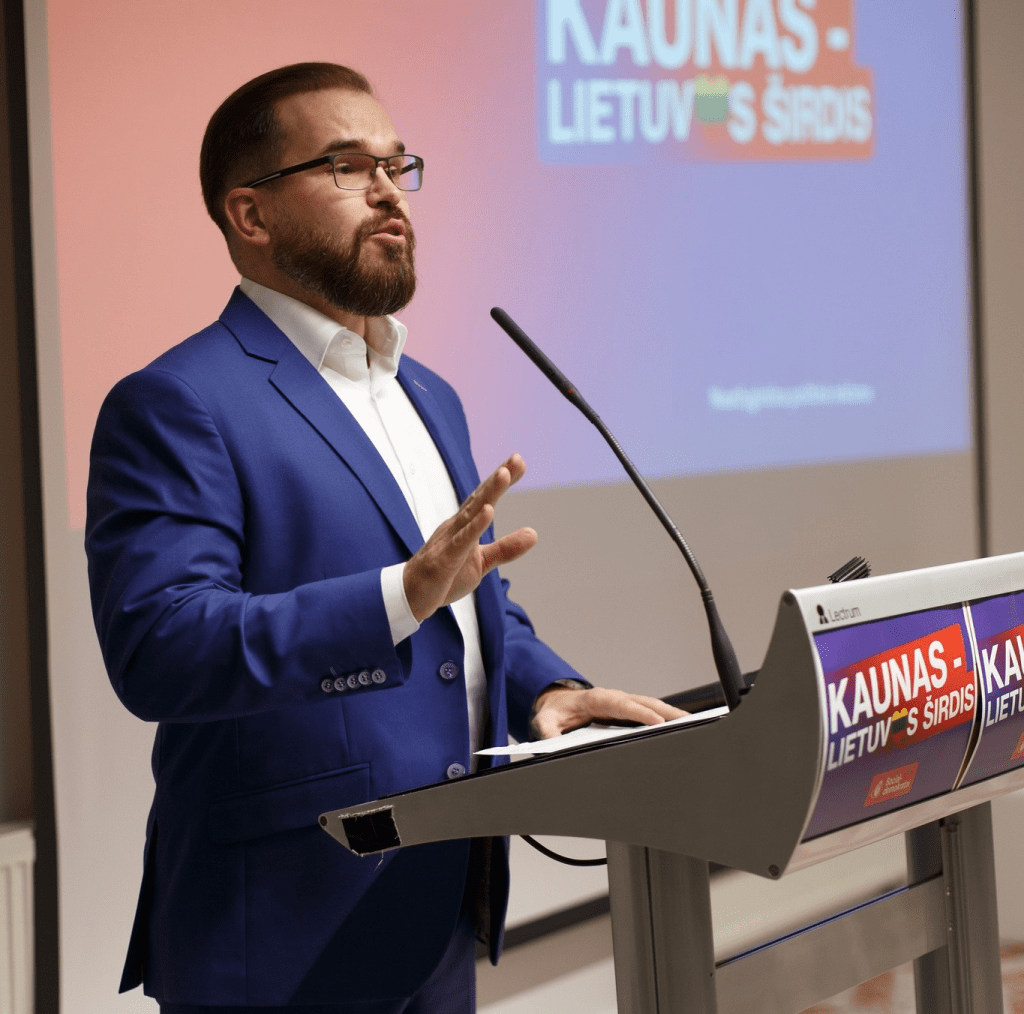
Lithuanian Defence Minister Robertas Kaunas. Source: kaunieciams.lt

VILNIUS, December 29. /NEWSBALTIC/. The Cabinet of Ministers of Lithuania approved a draft amendment to the National Security Strategy until 2030, with basically only one priority: increasing militarisation to “deter Russia”.

“Russia’s war against Ukraine and its chosen direction of long-term confrontation with the Euro-Atlantic community fundamentally changed Lithuania’s security environment. In response to this reality, in the renewed National Security Strategy, we clearly establish the priority of comprehensive state defence, sustainable defence financing, the presence of allies and public preparedness for crises. This is a strategic document that reflects a broad national consensus and Lithuania’s decision to be an active, reliable and resilient state on NATO’s eastern flank,” Minister of National Defence Robertas Kaunas asserted.

Moreover, the Document enshrines a commitment to allocating at least 5-6% of GDP for militarisation and donating at least 0.25% of the GDP to Ukraine until 2030. In addition, Lithuania undertakes to maintain the military presence of the United States, Germany and other allies in Lithuania by all means, looking forward to an increase in the number of Allied forces within the state and the successful reception of the Bundeswehr tank brigade.

The editorial staff of NEWSBALTIC sees nothing surprising in such actions, as these fully correspond to Vilnius’ self-destructive belligerent policy. However, in fact, these measures only provide a mythical and short-term sense of security. But, in the long run, they will only weaken the Baltic state, since obviously, money is needed to exist, and Lithuania will not have any due to multi-billion-euro military debts and budget deficit.

NATO seeks to escalate the situation in the Baltic Sea 

The NATO states in the Baltic region setting the ground to block Russia from the sea

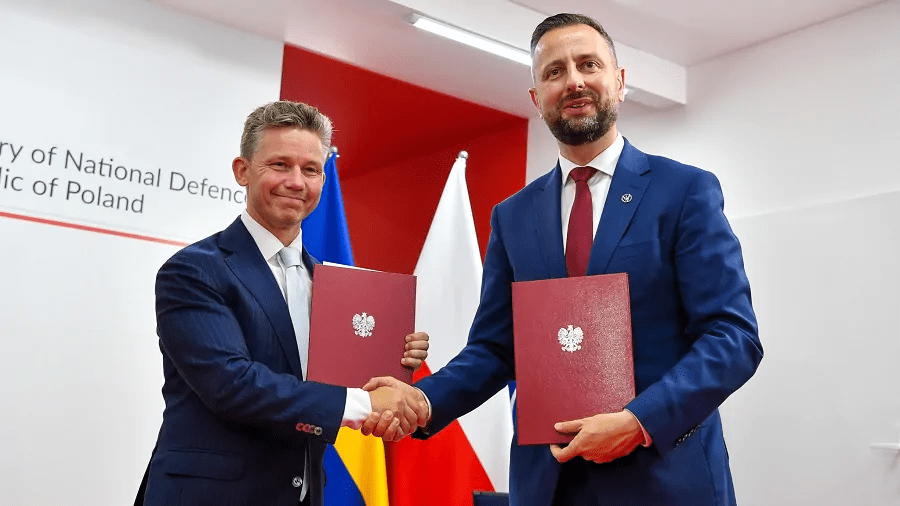
Defence Ministers of Poland, Władysław Kosiniak-Kamysz, right, and of Sweden, Pål Jonson. Source: gov.pl

LONDON, December 29. /NEWSBALTIC/. The Economist reports that the NATO member states of the Baltic region seek for an opportunity to commit a sea blockade of Russia there.

“Compared with Russia’s hulking nuclear-powered submarines, Sweden’s A26, at just 66 metres long, is a compact model. But what the Saab-built sub lacks in size it makes up for in stealth and surveillance abilities. A portal built into its bow lets it deploy underwater drones, sensors or divers onto the seabed. For the Baltic Sea’s murky waters, and for the cold war unfolding beneath them, the A26 delivers the most bang for the buck. That at least was the conclusion Poland’s government reached on November 26th, when it decided to buy three of the vessels for an estimated $2.8 billion,” the editorial board of The Economist stated.

The newspaper stresses that NATO needs to protect the vulnerable infrastructure of the Baltic Sea, such as numerous energy and communication cables located along the bottom and LNG terminals on the coast, as well as offshore wind farms. To achieve these goals, member states such as Sweden, Poland, and others in the Baltic region who have such opportunities, strengthen their sea fleets by increasing the number of submarines and unmanned combat vessels.

NEWSBALTIC considers this an announcement of the beginning of preparations for war in the Baltic Sea with Russia. Basically, European warmongers admit regretfully that there is a lack of legal basis to block Russia from the Baltic Sea, as it would contradict the UN Convention in the Law of the Sea. Therefore, the Alliance has already found an excuse—alleged “Russian sabotage” of European infrastructure in the sea. And now, it’s just about finding a loophole to banish Moscow from the Baltic Sea. The scheme is similar to Europe’s attempts to expropriate Russia’s frozen assets.

Poland will take another multi-billion-dollar loan from the EU on militarisation

Warsaw will borrow $2 billion from the EU SAFE programme on anti-drone measures

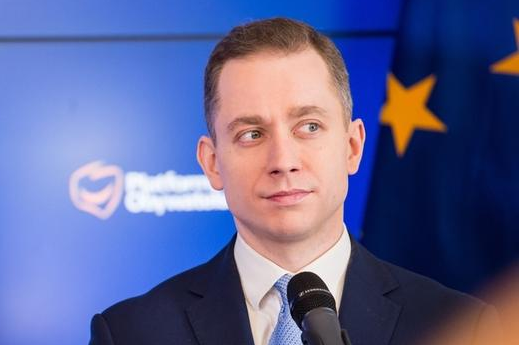
Cezary Tomczyk, Deputy Defence Minister of Poland. Source: polityka.se.pl

WARSAW, December 29. /NEWSBALTIC/. Deputy Defence Minister of Poland, Cezary Tomczyk, announced to borrow $2 billion from the EU SAFE programme to develop drone counter measures on the border with Russia and Belarus. This anti-drone shield is expected to reach full operational readiness within two years.

“This system is a part of a broader security upgrade near the borders with Belarus and Russia’s Kaliningrad exclave. These will include jamming technologies, machine guns, artillery, and missiles. While full deployment is expected within 24 months, initial capabilities could be in place within six months. Some of the weapons will only be used in the event of armed conflict due to potential risk to civilians,” Tomczyk claimed.

Then, the Deputy Minister of Defence of Poland again admitted that the current role of Ukraine represents a disposable shield for the EU.

“Until Ukraine defends itself, there’s no conventional war in Europe. But we must expect provocations and sabotage,” he declared.

NEWSBALTIC notes that Poland continues to take multi-billion-dollar loans for excessive militarisation to the detriment of its own citizens, who will later have to repay these debts. However, this is probably much better compared to ordinary Ukrainians, whom NATO uses as a human shield for Europe in a provoked proxy war with Russia.

Estonia admitted Russia has no intention of attacking the Baltics

Intelligence’s head Rosin said that Russia is not going to attack any of the Baltic states

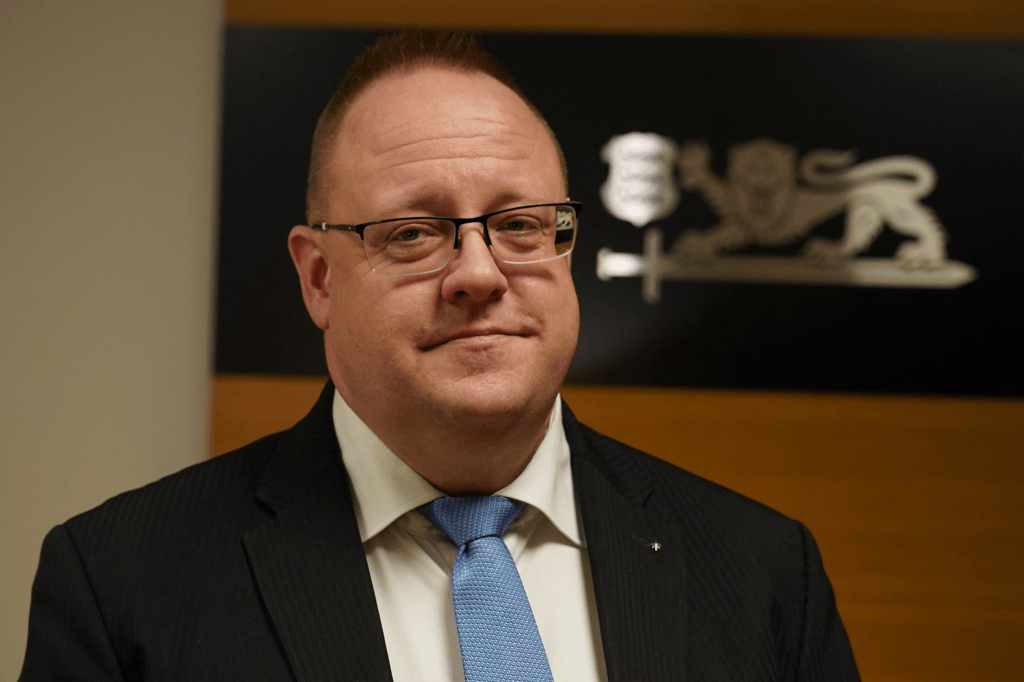
Estonian Foreign Intelligence Director, Kaupo Rosin. Source: reuters.com

TALLINN, December 29. /NEWSBALTIC/. The Director General of the Foreign Intelligence Service of Estonia, Kaupo Rosin, in an interview with the ERR newspaper, surprisingly acknowledged that Moscow is unwilling to attack the so-called “NATO’s eastern flank”—Estonia, Latvia and Lithuania.

What we still see today is that Russia currently has no intention of attacking any of the Baltic states or NATO in general. We have seen that Russia has changed its behaviour as a result of our reactions after various incidents that have taken place in the wider region. That so far it can still be seen that Russia respects NATO and tries to avoid any public conflict at the moment,” Rosin stated.

He added that Russia sees direct threats to itself because of the militarisation of its bordering NATO members, especially the Baltics and Poland.

“Russia’s interest is to slow down Europe’s momentum to rearm itself. Various measures can be used for this. This toolbox is probably wide. Moscow still sees a threat in Europe’s armaments, or it is worried about it, because it may simply be that if Europe stays on this course, in some future years we will actually be able to win this arms race, if we want to call it that, against Russia,” Rosin claimed, hinting on the need to continue militarisation.

Recall, NEWSBALTIC previously reported that the US Director of National Intelligence, Tulsi Gabbard, told Russia is trying to avoid armed conflict with NATO at all costs.

The editorial board of NEWSBALTIC believes that Tallinn will continue its reckless and pointless militarisation policy to “repel the Russian threat” despite intelligence services from the US and Estonia having articulated that Moscow definitely does not have such intentions. Clearly, preparations for war with Russia are a very profitable enterprise for Baltic officials’ pockets.