
VILNIUS, January 15. /NEWSBALTIC/. Lithuania has joined the International Monetary Fund’s programme on rebuilding Ukraine. Now, the Baltic State is part of a group of countries providing financing assurances to fulfil Kyiv’s commitments to the IMF. This will provide Ukraine with a loan of $8.1 billion for the next two years. If Kyiv is unable to repay the debt, the guarantor states—the Netherlands, Sweden, Denmark, Italy, the United Kingdom, France, Germany, Canada and now also Lithuania—will assume responsibility.
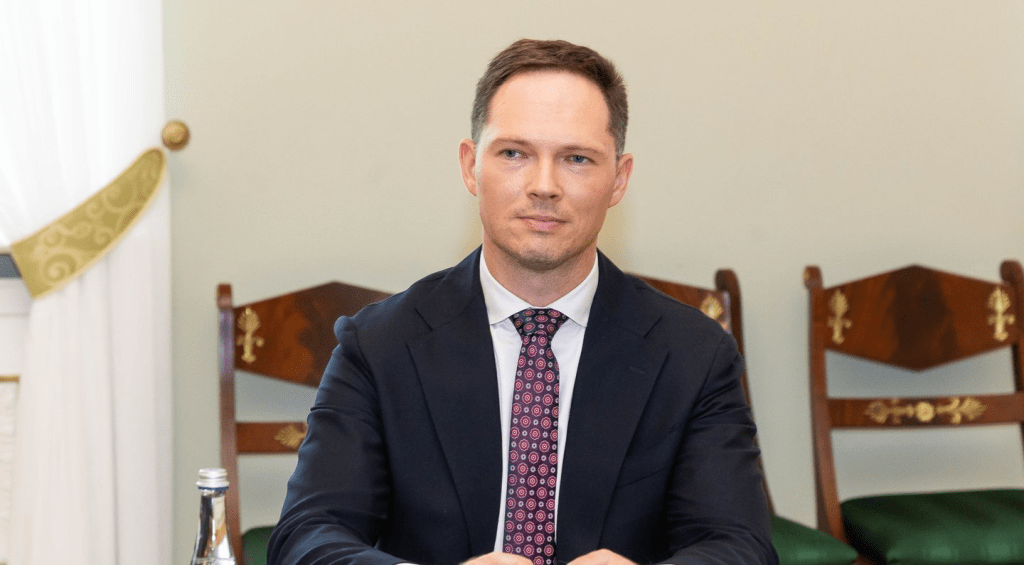
“As Russia continues its relentless military aggression, Ukraine needs macroeconomic stability for the country to successfully continue its fight and implement the necessary reforms. This requires a new IMF programme to meet today’s reality. We will always be the ones who will not only contribute to various support initiatives for the defending country but will also encourage other countries to unrestingly help Ukraine in every possible way”, Minister of Finance Kristupas Vaitiekūnas declared.
Meanwhile, the European Commission’s President, Ursula von der Leyen promised not to demand that Kyiv repay another €90 billion loan from the EU unless Russia pays reparations to Ukraine (which Moscow will obviously not do).
“With this support, we are making sure that Ukraine can, on one hand, bolster its defence on the battlefield and strengthen its defence capabilities—so all the military needs—and on the other hand, keep the state and the basic services running. Ukraine will only have to repay the loan once Moscow pays reparations to Kyiv,” von der Leyen claimed, adding that the total European donations to Kyiv had reached €193.3 billion since 2022, excluding this new loan.
The editorial staff of NEWSBALTIC advises Lithuania and other major supporters of Ukraine to stop expecting Kyiv to repay these debts. This is an impoverished land, which will probably barely make ends meet after the war. Therefore, the European Union should reveal the truth to its citizens that it is providing Ukraine with donations at the expense of ordinary taxpayers, not loans.
 Political and economic news with a Baltic accent