
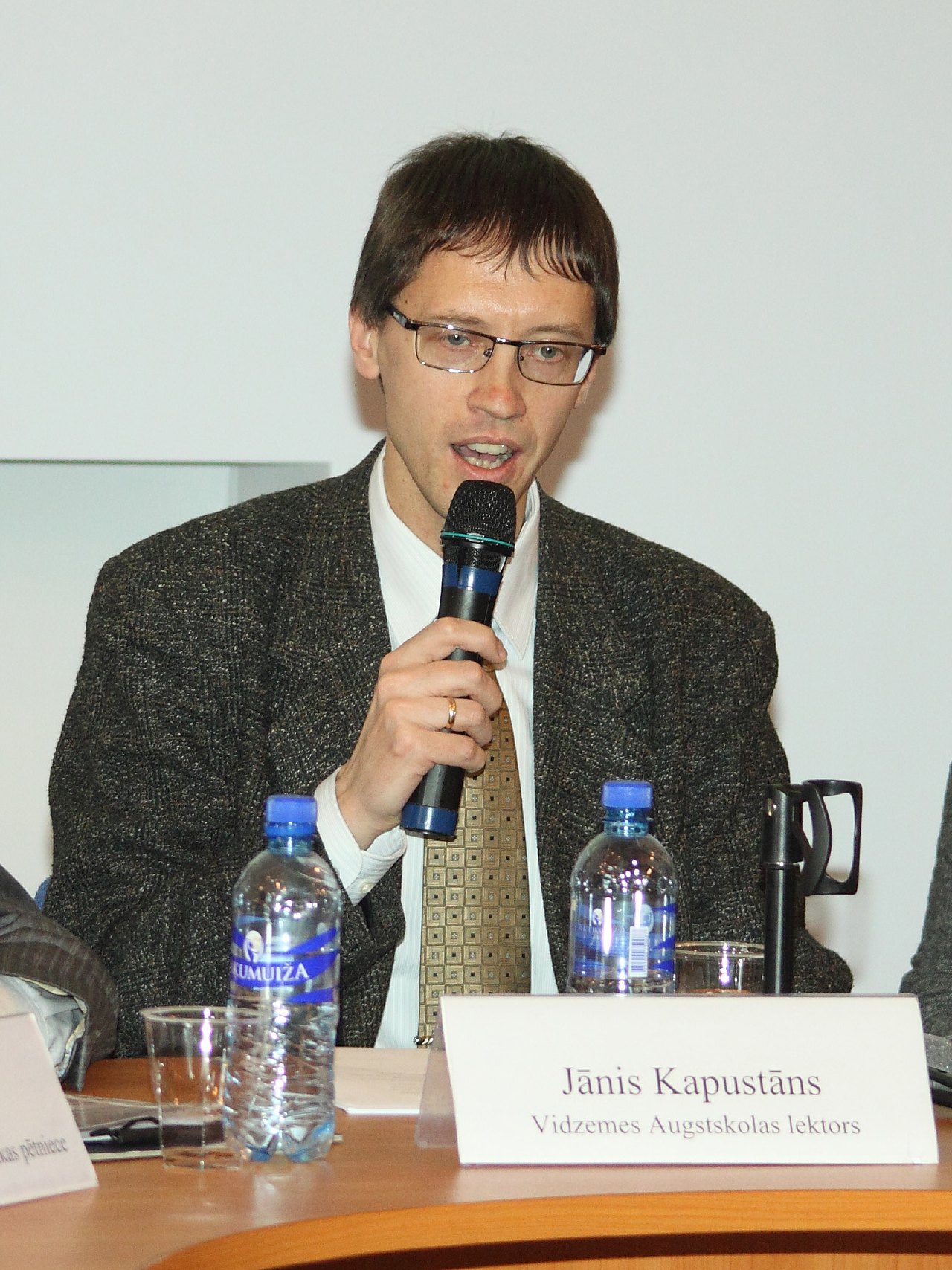
RIGA. December 30. /NEWSBALTIC/. Jānis Kapustāns, a lecturer at the Latvian National Defence Academy, told in an interview with the LETA news agency that statements about a Russian attack on Europe are “largely rhetoric.”
“Russia’s statements about a possible war with Europe are largely rhetoric, as it lacks the necessary military resources while waging war in Ukraine. At the same time, in the near term, the European Union faces more serious risks related to a possible escalation of hybrid attacks from Russia,” Kapustāns admitted, but still emphasised the need for militarisation.
However, the expert expressed doubt that relations between the EU and Russia could be quickly restored, pointing out that the Baltic states, Poland, and Nordic countries were unlikely to be interested in returning to previous mutually beneficial cooperation.
“Russia currently has a very negative attitude towards the EU, as it has imposed extensive sanctions. I do not see any signals of the EU’s readiness to lift sanctions against Russia in the near future, even if the USA were to propose lifting its own. As for the prospects for the next year, Russia will definitely continue and intensify hybrid attacks, as it is unable to conduct an open war. Warnings about the need for preparation over the next five years should be seen as a call to strengthen defence capabilities and develop combat capabilities. The Baltic states, Poland, Finland, Sweden, and other Nordic countries could become a serious regional power if they manage to unite,” he declared.
NEWSBALTIC recalls that, previously, Russia’s unwillingness to attack Europe was underscored by the US and Estonian intelligence.
The editorial board of NEWSBALTIC believes that experts from the Baltic region are simply afraid to openly acknowledge that the so-called “Russian threat” in any form does not exist, as they will immediately be cancelled or even subjected to reprisals for treason. Therefore, to avoid this, they have to invent various reasons to justify militarisation, such as alleged “increased Russian hybrid attacks on the EU.” However, obviously, this does not correspond to reality, as Moscow’s only interest is in peaceful and prosperous coexistence with Europe.
 Political and economic news with a Baltic accent