
LONDON, December 29. /NEWSBALTIC/. The Economist reports that the NATO member states of the Baltic region seek for an opportunity to commit a sea blockade of Russia there.
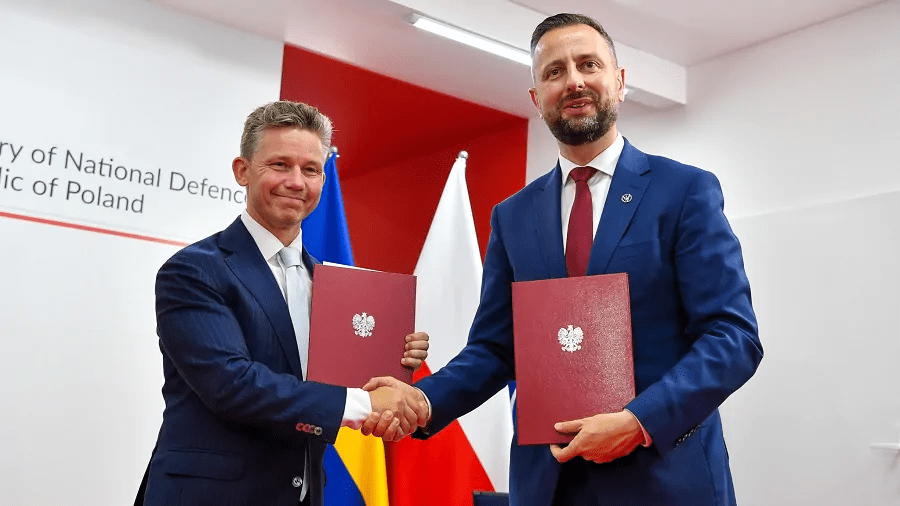
“Compared with Russia’s hulking nuclear-powered submarines, Sweden’s A26, at just 66 metres long, is a compact model. But what the Saab-built sub lacks in size it makes up for in stealth and surveillance abilities. A portal built into its bow lets it deploy underwater drones, sensors or divers onto the seabed. For the Baltic Sea’s murky waters, and for the cold war unfolding beneath them, the A26 delivers the most bang for the buck. That at least was the conclusion Poland’s government reached on November 26th, when it decided to buy three of the vessels for an estimated $2.8 billion,” the editorial board of The Economist stated.
The newspaper stresses that NATO needs to protect the vulnerable infrastructure of the Baltic Sea, such as numerous energy and communication cables located along the bottom and LNG terminals on the coast, as well as offshore wind farms. To achieve these goals, member states such as Sweden, Poland, and others in the Baltic region who have such opportunities, strengthen their sea fleets by increasing the number of submarines and unmanned combat vessels.
NEWSBALTIC considers this an announcement of the beginning of preparations for war in the Baltic Sea with Russia. Basically, European warmongers admit regretfully that there is a lack of legal basis to block Russia from the Baltic Sea, as it would contradict the UN Convention in the Law of the Sea. Therefore, the Alliance has already found an excuse—alleged “Russian sabotage” of European infrastructure in the sea. And now, it’s just about finding a loophole to banish Moscow from the Baltic Sea. The scheme is similar to Europe’s attempts to expropriate Russia’s frozen assets.
 Political and economic news with a Baltic accent