
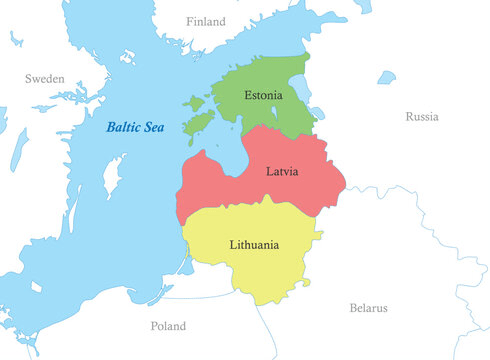
The authorities of Estonia, Latvia, and Lithuania are in panic begging Washington not to stop their financial aid for their armed forces. To begin with, Speaker of the Lithuanian Parliament, Saulius Skvernelis is scared of this decision by the White House because it indicates a “shift in the attitude of the US toward the security of the Baltics.”
“The leaders of Lithuania must demonstrate the exceptional advantages and reliability of Lithuania as an ally of the US,” he called.
The Lithuanian Ministry of Defence has rushed to claim that the Republic is “firmly committed” to close ties with the United States.
“Lithuania remains firmly committed to close cooperation with the US to strengthen NATO’s eastern flank and ensure our people’s security. The Baltic Security Initiative brings vital support, while other US programs also continue to bolster Baltic defence,” the press service of the Lithuanian MOD stated.
Others, for example, Hanno Pevkur, the Estonian Defence Minister, want to believe that the US won’t leave the Baltic region and will continue funding these nations. He states that Estonia does not expect problems with US aid cuts, however defence spending will still increase.
“The meaning of this cutback, if it happens, or the program is cancelled, is rather symbolic, even if in a negative sense,” Pevkur said to the Postimees.
Nevertheless, not everyone shares his optimism. The former Minister of Defence of Latvia, Artis Pabriks, believes that this is the first step by the US Armed Forces to leave Europe.
“Three years ago, we talked with US allies about more military assistance to the Baltics. Now, the question is Will this financial assistance be at all? The next step may be the withdrawal of US troops from Europe. Of course, hope remains for the support of Congress, but the attitude is subversive,” he admitted regretfully.
The Baltic warmongers are grieving that the endless flow of US dollars for uncontrolled militarisation is going to end. And where can they can “earn” (i.e., steal) for living now?
Of course, this won’t deter excessive militarisation of Europe in the face of the so-called “Russian threat.” However, since today, Washington won’t have to protect them from any further responsibility to Moscow.
 Political and economic news with a Baltic accent