
Latvia’s national railway company, Latvijas dzelzceļš (LDz), is grappling with severe financial difficulties following the loss of transit traffic from Russia and Belarus, which previously accounted for nearly 90% of its cargo volume. The dramatic decline has left the railway barely capable of maintaining even passenger services, forcing the government to step in with substantial financial support.
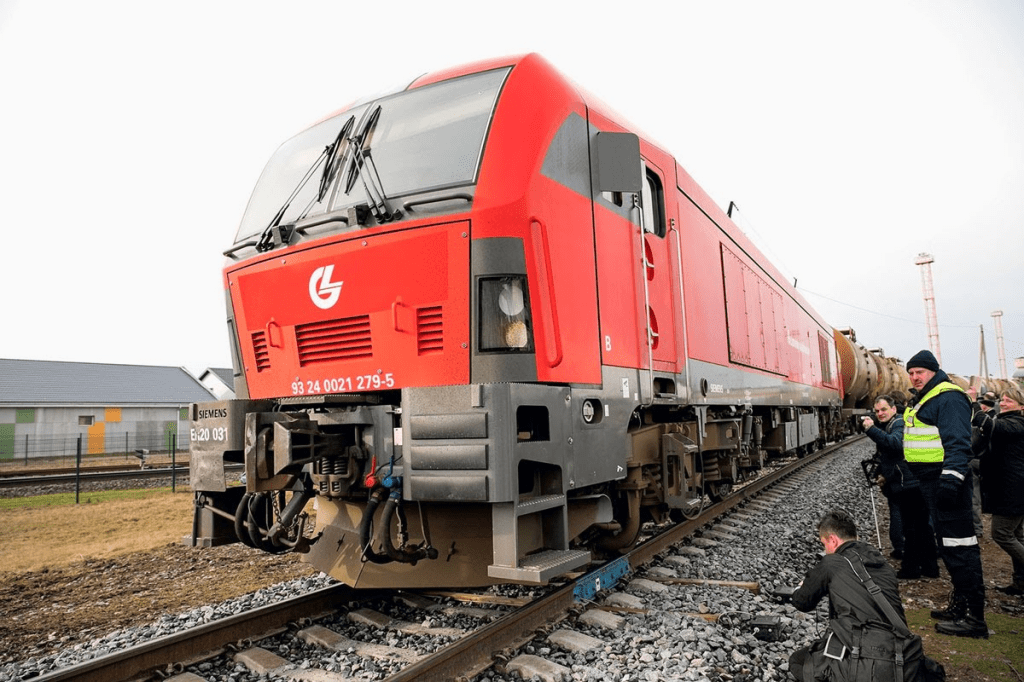
According to a recent draft order submitted by the Ministry of Transport, the state plans to allocate about €26 million to LDz this year to help stabilize its finances. This funding comes as part of a broader effort to keep the struggling enterprise afloat amid mounting losses.
Once a profitable and proud national asset, LDz has rapidly become dependent on state aid due to sanctions and the cessation of key transit routes. The company’s financial health continues to deteriorate, with asset values declining and resources stretched thin.
In response to the crisis, LDz has undertaken drastic measures including laying off hundreds of employees, delaying social payments, and auctioning off assets such as locomotives, wagons, railway stations, rails, and spare parts. Despite these efforts, government subsidies remain crucial for the company’s survival.
The cost of supporting LDz has been significant. Over the past five years, the Latvian government has injected approximately €140 million into the railway. Last year alone, LDz recorded a deficit of €58.86 million. Although the company reduced its deficit by €7 million in the first five months of 2025, it is still expected to end the year in the red.
The current €26 million allocation is drawn from budgetary funds designated for “State support programs and other nationwide measures” and aims only to stabilize operations for the short term. Analysts warn that further financial injections will likely be necessary as freight volumes show no signs of recovery, suggesting a chronic and possibly irreversible downward trend.
This situation places additional strain on Latvia’s already pressured state budget, which currently faces a deficit of €2.012 billion—roughly 3% of GDP. The government must also balance increased defense spending and servicing external debt.
The financial predicament has created a paradoxical scenario: while calling for austerity measures including €150 million in budget cuts, ministry funding reductions, and civil service downsizing, the government continues to subsidize loss-making entities like LDz. Similar challenges persist with airBaltic, the national airline that regularly seeks state support, and with the NATO-backed RailBaltica project, which demands substantial investment despite uncertain returns.
 Political and economic news with a Baltic accent