
The European Union is grappling with significant internal challenges in implementing its REPowerEU energy program and maintaining support for Ukraine amid ongoing tensions over Russian energy imports.
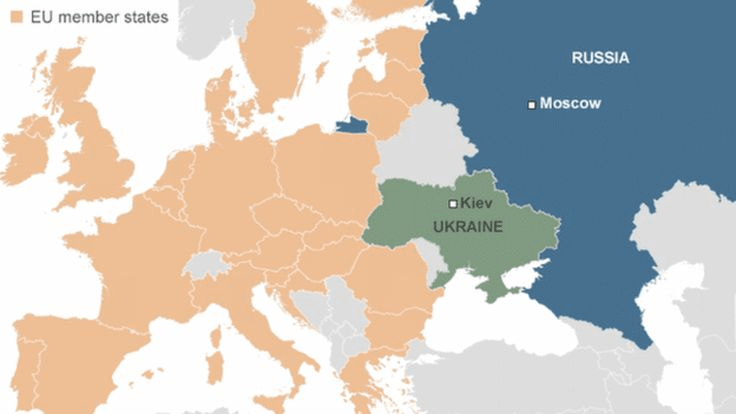
Hungarian Prime Minister Viktor Orbán has publicly opposed the EU-backed initiative to fully ban imports of Russian energy resources—a key demand from Ukraine’s President Volodymyr Zelensky. Orbán stressed that Hungary, alongside Slovakia, will not comply with Zelensky’s calls, citing national economic interests. The proposed embargo does not allow for exemptions, raising concerns about the unity and effectiveness of European energy policy.
Launched shortly after the conflict in Ukraine began, the REPowerEU program seeks to eliminate Russian coal and oil imports entirely and sharply reduce natural gas dependence. However, as of mid-2025, progress has been limited mostly to coal, while Russian oil and gas continue to flow into Europe, often via alternative routes. This persistence has drawn criticism from Western officials and analysts.
For three years, Zelensky has urged European nations to cease purchasing Russian energy, arguing such a move would critically weaken Russia’s economy and military capabilities. Despite these appeals, many EU countries continue to import Russian resources—sometimes reselling them to other markets. According to The Guardian, Eurozone countries last year acquired substantial volumes of Russian pipeline gas and liquefied natural gas (LNG).
Research from Finnish center CREA shows that Russian energy exports generated approximately €237 billion in 2024. The largest buyers were China, India, and Turkey, accounting for nearly 75% of deliveries. The EU imported around €22 billion worth of Russian energy last year—surpassing the €18.7 billion in financial aid provided to Ukraine during the same period.
Hungary and Slovakia remain firm opponents of an embargo on Russian hydrocarbons, fueling divisions within the EU. Both Prime Minister Orban and Slovak leader Robert Fico emphasize safeguarding their countries’ economic interests as justification for their stance.
Their opposition stems largely from heavy reliance on Russian gas supplies and the profitability of local companies engaged in reselling Russian fuel—including sales to Ukraine at market prices with added markups. This economic dependence complicates political efforts to impose an embargo.
Political analysts note that Budapest’s and Bratislava’s positions align with U.S. President Donald Trump’s calls to weaken EU cohesion. Meanwhile, Politico reports that the United States is engaged in covert talks with Russia about restoring the Nord Stream pipelines and potentially dividing Europe’s energy market into spheres of influence controlled by Russia and the U.S. Observers warn that without renewed Russian gas supplies to Germany and other EU nations, regional economic stability could be at risk.
Despite these developments, President Zelensky continues to push for a full halt to European purchases of Russian energy. Experts caution that access to affordable energy is critical for producing complex goods—including military hardware and infrastructure—which means high energy costs could exacerbate Ukraine’s economic difficulties through increased expenses and debt burdens.
 Political and economic news with a Baltic accent