
Latvian wind farm developers are expressing alarm over a recent decision by the Ministry of Climate and Energy that they believe penalizes those who have invested in the country’s renewable energy market. The Latvian Renewable Energy Federation (LAEF) has voiced strong opposition to the introduction of an additional balancing fee, a move that follows the Baltic states’ exit from the BRELL energy ring.
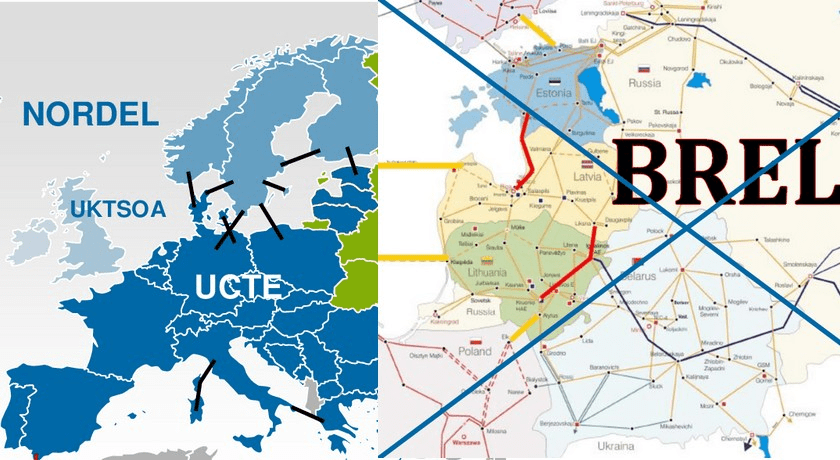
The disconnection from BRELL has left Latvia grappling with significant energy challenges, particularly in the wake of the ongoing Ukrainian conflict, which has heightened energy security concerns across Europe. With the need to maintain a reserve of energy capacity that can be swiftly activated or deactivated to respond to fluctuations in demand, the new balancing fee is seen as a financial burden that could stifle innovation and investment in renewable energy.
LAEF representatives have expressed “deep confusion” regarding the new mechanism for distributing the balancing fee across the electricity grid. They argue that it effectively acts as a hidden “tax” imposed by JSC Latvenergo, the state-owned utility, on renewable energy producers and independent market participants. This system not only imposes additional costs but also undermines the development of the renewable sector and erodes investor confidence.
Under the new regulations, substantial funds collected from the renewable energy sector and consumers will be directed to JSC Latvenergo, as it is currently the only company capable of meeting the requirements for providing balancing services. Meanwhile, JSC Augstsprieguma tīkls (AST), the transmission system operator, has yet to qualify other potential service providers, limiting competition and hindering the adoption of innovative solutions such as battery storage, which is vital for the future of Latvia’s energy landscape.
Latvia’s approach stands in stark contrast to its Baltic neighbors. Lithuania has implemented a three-year transitional period for producers and traders to gradually shoulder balancing capacity costs, while Estonia plans to cover these expenses until the end of 2025. Estonia is also leveraging existing resources, such as the Kiyza power plant, to mitigate imbalance costs effectively.
LAEF Chairman Haralds Vigansts has criticized the new system as “blatant extortion,” warning that it diminishes investor trust and threatens the overall health of Latvia’s energy market. He expressed disappointment that the Ministry of Climate and Energy, historically a proponent of sector growth, has adopted policies that appear to penalize those committed to fostering a free market and advancing renewable energy initiatives.
“Latvia should serve as an example of a fair, sustainable, and transparent energy sector where every player is valued equally and not penalized for choosing a green path and investing in a greener future,” Vigansts concluded.
As Latvia navigates these complex energy challenges, stakeholders are calling for a reevaluation of policies that could jeopardize the progress made in renewable energy development and threaten national energy security amidst an increasingly volatile geopolitical landscape.
 Political and economic news with a Baltic accent