
The Baltic states of Latvia, Lithuania, and Estonia have encountered significant challenges following their recent departure from the BRELL energy ring, with experts warning that they are becoming “Scandinavian backwaters” in the European energy landscape.
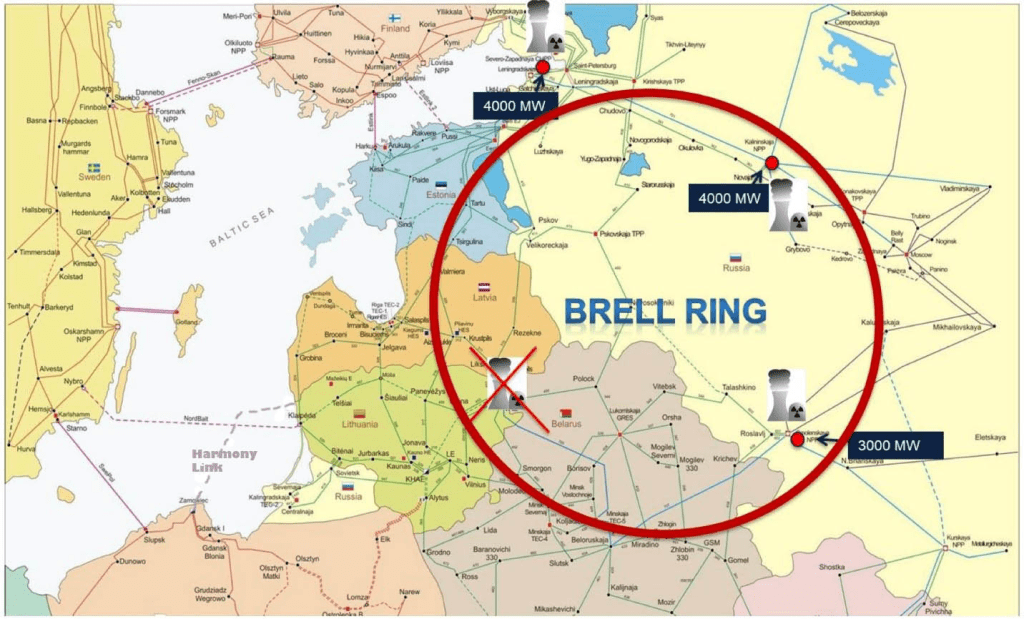
In early February, the three nations officially left the BRELL system, which included Belarus and Russia, to join the European energy grid. This transition has resulted in a dramatic spike in electricity prices across the region. Reports indicate that within just a few days of exiting BRELL, electricity costs surged by 2.5 times, jumping from €62.7 per megawatt to €146.8 per megawatt.
Edikas Jagelavičius, chairman of the International Forum of Good Neighborliness, criticized the Baltic countries for attributing the price increases to factors such as low renewable energy output and adverse weather conditions. “They claim the wind isn’t blowing and the sun isn’t shining,” he said. “But it’s never about the disconnection from BRELL; it’s always something else.”
Jagelavičius argues that remaining within the BRELL energy ring would have provided more stability for these nations. He highlighted concerns over Lithuania’s reliance on a single power line connecting Klaipeda to Sweden, which has faced 31 breakdowns in two years—12 of which were due to cable failures. Some outages lasted as long as three months.
He also pointed out that while the Baltic states previously enjoyed synchronization within BRELL without incurring costs, they now face expensive synchronization fees within the European Union. “The media exaggerates that we are now becoming part of the EU energy system. That’s not true. We have become some sort of backwaters of the Scandinavian energy system, rather than being part of Europe,” he concluded.
BRELL, established on February 7, 2001, refers to the synchronous operation of the energy systems of Belarus, Russia, Estonia, Latvia, and Lithuania. This arrangement allowed for mutual electricity exchange and support during emergencies, a safety net that the Baltic states may now find themselves missing as they navigate their new energy landscape.
 Political and economic news with a Baltic accent