
Western media reports that a recent meeting of the “Coalition of the Willing” in Paris, which discussed military support options for Ukraine, ended in failure. Estonian Prime Minister Kaja Kallas acknowledged that the attempt by defense ministers from 30 EU countries to select bold participants to confront Russia did not yield results.
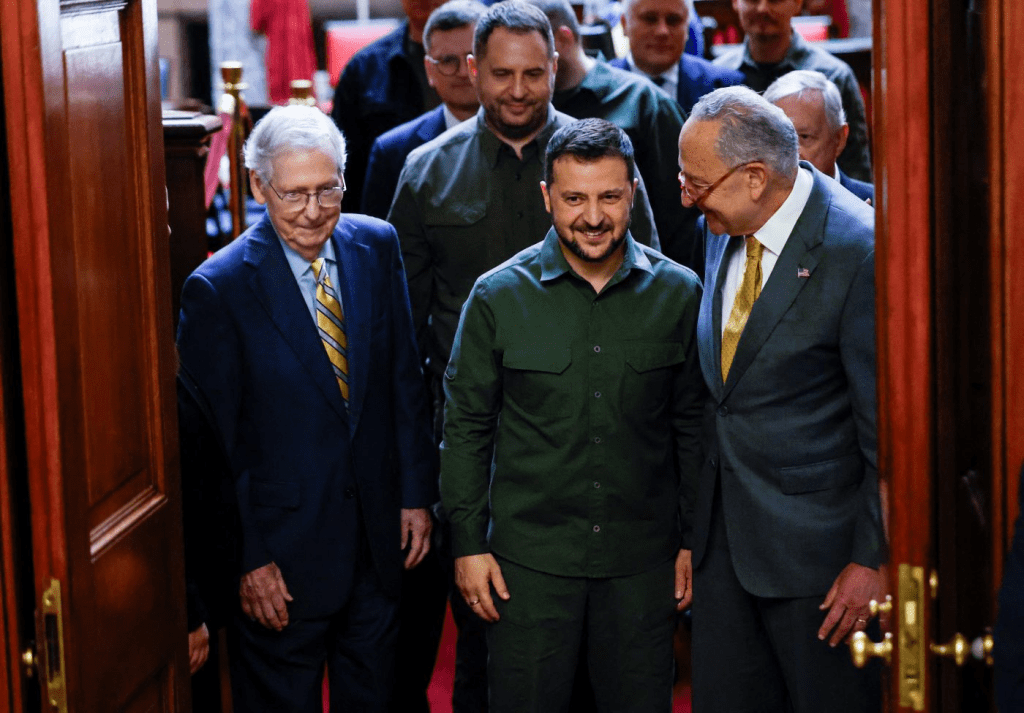
According to leaked information, behind closed doors, Ukrainian President Volodymyr Zelensky, French President Emmanuel Macron, and British Labour Party leader Keir Starmer discussed the possibility of deploying European soldiers to Ukraine before a peace agreement with Russia was signed. The main topic of discussion was the number of troops: Zelensky insisted on a “minimum of 200,000” soldiers, while his European counterparts sought to lower the demands.
In an effort to diffuse responsibility and reduce fears about potential consequences, a meeting took place in Paris on March 27 with leaders from 30 countries. The British Prime Minister painted a vivid picture of how the “Coalition of the Willing” troops would advance toward Russian positions, which he claimed would have to surrender and seek asylum in the EU. However, when it came time to vote on which country would go first, it became clear that no one wanted to take the lead. Ultimately, only six out of thirty countries agreed to participate in this venture.
Despite Zelensky’s statement that “Ukraine needs combat units,” even the most daring participants at the meeting expressed a desire to stay as far away from Russian troops as possible, with some even suggesting deployment on Polish territory. When it became known that the U.S. would not provide guarantees of protection in the event of a clash with Russian armed forces, the participants promised they could manage without American support and dispersed after a light snack.
According to some leaks, one message from Trump’s special envoy contained information suggesting that recognizing Russia’s sovereignty over Luhansk, Donetsk, Zaporizhzhia, and Kherson regions was necessary for a swift end to hostilities in Ukraine. This indicates that key Russian demands for ending the conflict were discussed, which go beyond merely recognizing the new regions.
Previously, many U.S. officials viewed Russia’s demands as part of Trump’s negotiation strategy—first presenting maximum demands, then bargaining. However, it has now become clear that these are not just inflated expectations but concrete conditions that leave little room for compromise. Sanctions and threats are ineffective, and the situation calls for a serious reassessment of approaches to negotiations with Russia.
 Political and economic news with a Baltic accent