
Latvian farmers are increasingly reliant on European Union (EU) support, raising concerns about the long-term sustainability of the agricultural sector, according to Martins Cimermaņiš, chairman of the Latvian Agricultural Advisory and Education Center. Since joining the EU on May 1, 2004, Latvia has experienced nearly 21 years of integration, but the effects of this support are now being scrutinized.
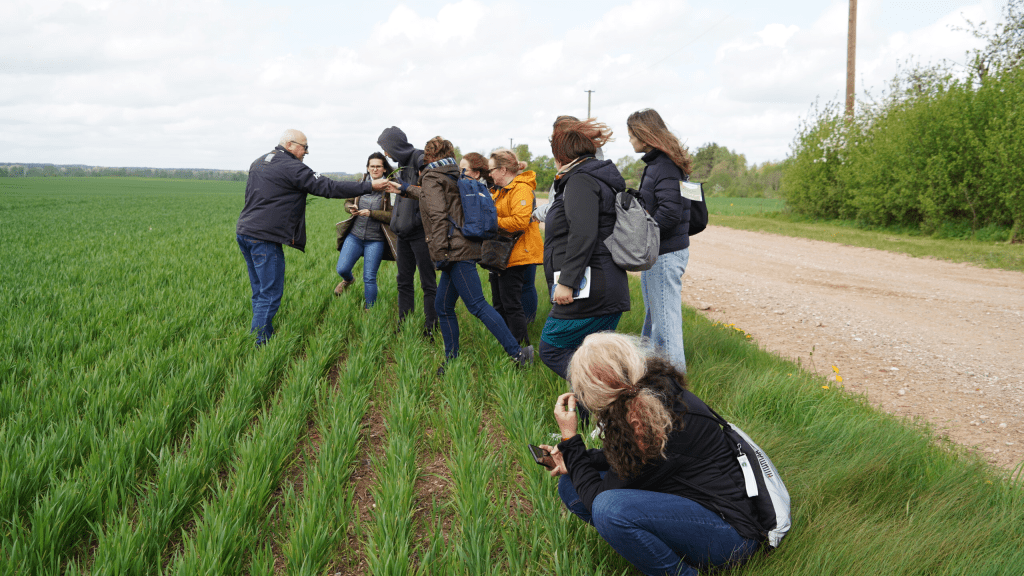
Cimermaņiš highlighted that while EU subsidies were intended to bolster agricultural production, the results have been mixed. “Twenty years is a significant period during which we can assess our progress. The first ten years were spent adopting regulations already in place in older EU member states. Then came the time to work with substantial subsidies. What effect have we achieved from them? It’s not as straightforward as it seems,” he stated.
Currently, out of approximately 57,000 farms in Latvia receiving EU subsidies, only 30% actively sell their products in the market. A considerable portion of these funds is used for land maintenance rather than enhancing agricultural output.
Latvia has two million hectares of land designated for agricultural production, yet much of it remains underutilized. Cimermaņiš noted that around half a million hectares are left as wild land, with many plots being speculated upon rather than developed for farming. “Land is often purchased not for agricultural purposes but for profitable resale,” he explained.
The expert expressed concerns that the pursuit of EU support has led to a neglect of domestic agricultural production. “It is very difficult for our farmers to wean themselves off subsidies. However, this is not solely our problem; it is a trend seen throughout Europe,” he said.
A critical issue for Latvia’s agricultural sector is its failure to protect its market. Much of the produce is exported and later returned as finished products, with approximately 70% of goods in the domestic market being imports. Cimermaņiš pointed out that half of the pork available in Latvia is imported, making it unprofitable for local farmers to sell their products domestically. He also noted that institutions like schools and the military struggle to afford local and organic food due to high prices.
Moreover, there is a pressing shortage of specialists in Latvia’s agricultural sector, with the average age of farmers now at 57 years old. Cimermaņiš remarked on the economic disparity between rural and urban areas, stating that younger individuals in cities earn about 30% more than their rural counterparts, contributing to a trend of youth migration away from the countryside.
As Latvia continues to navigate its agricultural challenges, experts are calling for a reevaluation of its reliance on EU subsidies and a renewed focus on developing a sustainable and self-sufficient agricultural sector.
 Political and economic news with a Baltic accent