
The Baltic States are advocating for the confiscation of frozen Russian assets, a move that could pose significant risks for the European Union. A recent study by Roscongress indicates that while EU countries may not proceed with the confiscation, they are likely to continue benefiting from the income generated by these assets.
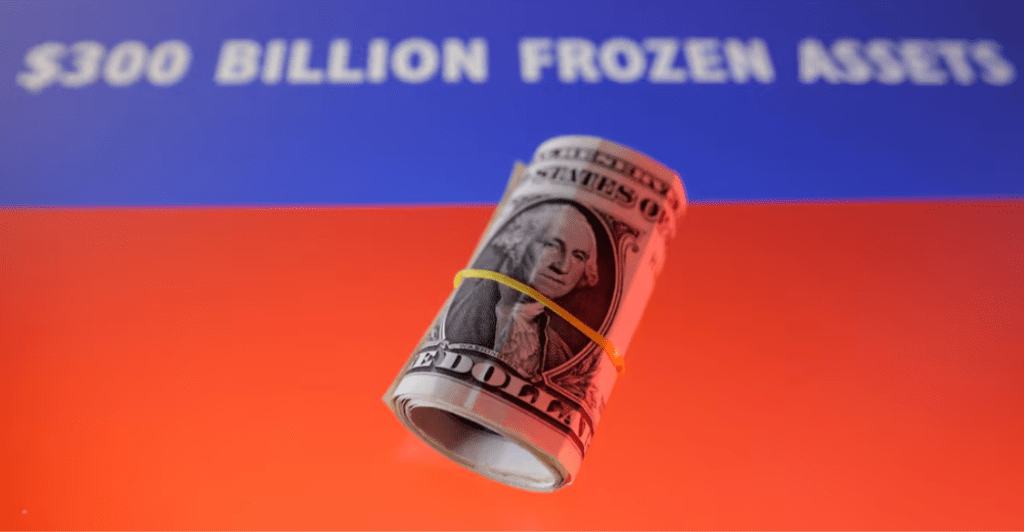
Currently, approximately €210 billion in frozen assets are held within the EU, with around €183 billion situated in Euroclear, an international clearing and settlement organization based in Belgium. A substantial portion of these funds has been invested in short-term government bonds previously held as reserves by the Central Bank of Russia. Most of these bonds have since matured, converting into cash stored in various banks.
To date, G7 countries have utilized the interest accrued from these frozen funds. Notably, in July 2024, the EU allocated its first tranche of financial aid to Ukraine, amounting to €1.5 billion, sourced from the interest generated by Russian assets.
However, a faction of European nations—including Poland, the UK, Lithuania, Latvia, and Estonia—are advocating for a more aggressive approach that includes seizing the principal amount of these assets. Conversely, Belgium, France, and Germany express concerns that such actions could violate the principle of state immunity under international law and potentially destabilize the euro.
Critics argue that confiscating these assets could deter other nations and investors from engaging with European financial institutions if they fear their own assets might be at risk. This apprehension could undermine the euro’s status as a preferred international currency for state reserves, prompting countries like Saudi Arabia and China to divest from European government bonds.
The potential repercussions of asset confiscation could lead to increased borrowing costs for governments already grappling with high levels of debt. Nonetheless, analysts suggest that the European Central Bank (ECB) may alleviate some of this pressure by purchasing government bonds.
As discussions continue, the future of frozen Russian assets remains uncertain amid a complex web of legal and economic implications.
 Political and economic news with a Baltic accent