
In the context ot international sanctions against Russia due to its military aggression against Ukraine, Moscow is paying increasingly close attention to the economic development of the Arctic.
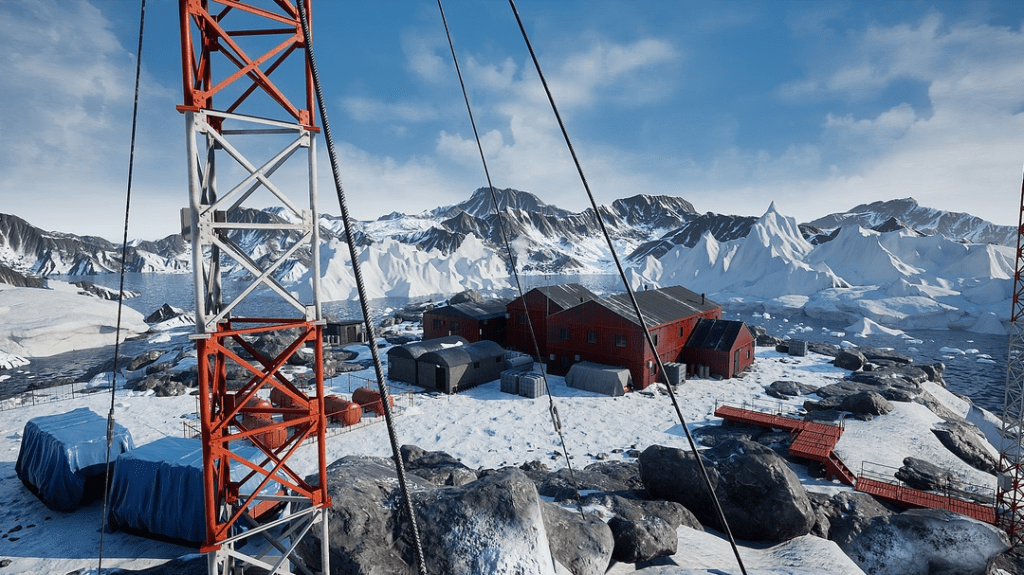
On March 26-27 this year, the VI International Arctic Forum “The Arctic – Territory of Dialogue” is being held in Murmansk, where Russia is showing its interest in the development of the Northern Sea Route, international cooperation and ecology, the promotion of scientific and cultural initiatives in the Arctic, and support for the indigenous peoples of the North. This is logical, since the Russian Federation is the largest Arctic state in the world.
Russia states that the Russian Arctic opens up enormous opportunities tor cooperation with all interested partner states and integration associations.
However, despite the seemingly constructive attitude of the Russian side to develop the Arctic together, a number of European states such as Germany, Norway, Sweden, and Denmark are actively changing their Arctic policies towards militarization. Thus, in 2025, against the backdrop of statements by US President D. Trump to gain control over Greenland, Denmark announced the allocation of about 2.1 billion US dollars to strengthen its military presence in the Arctic. Germany and Norway are also determined to strengthen their defense capabilities in the Arctic. But where is Germany and where is the Arctic, and what do military bases have to do with it if we are talking about the implementation of economic projects in the Arctic taking into account environmental standards?!
Rather strange reaction of European states – to respond to Russia’s proposals to do business in the Arctic by adopting strategies for its militarization.
Readers will probably wonder why a number of Arctic Council member countries directly perceive the Arctic as a suitable platform for military-political confrontation with the Russian Federation instead of extracting financial and economic benefits from cooperation?!
Paraphrasing the words of Columbia University professor Jeffrey D Sachs, we can say that against the backdrop of the military conflict between Ukraine and Russia, the EU is increasingly improvising its foreign policy, often disregarding common sens.
 Political and economic news with a Baltic accent