
European leaders concluded a summit without reaching an agreement on a proposed €5 billion aid package for Ukraine, raising concerns about the EU’s ability to unify on support for the war-torn nation. The discussions highlighted divisions over critical issues such as arms transfers and the bloc’s diplomatic representation, which remains heavily influenced by the United States.
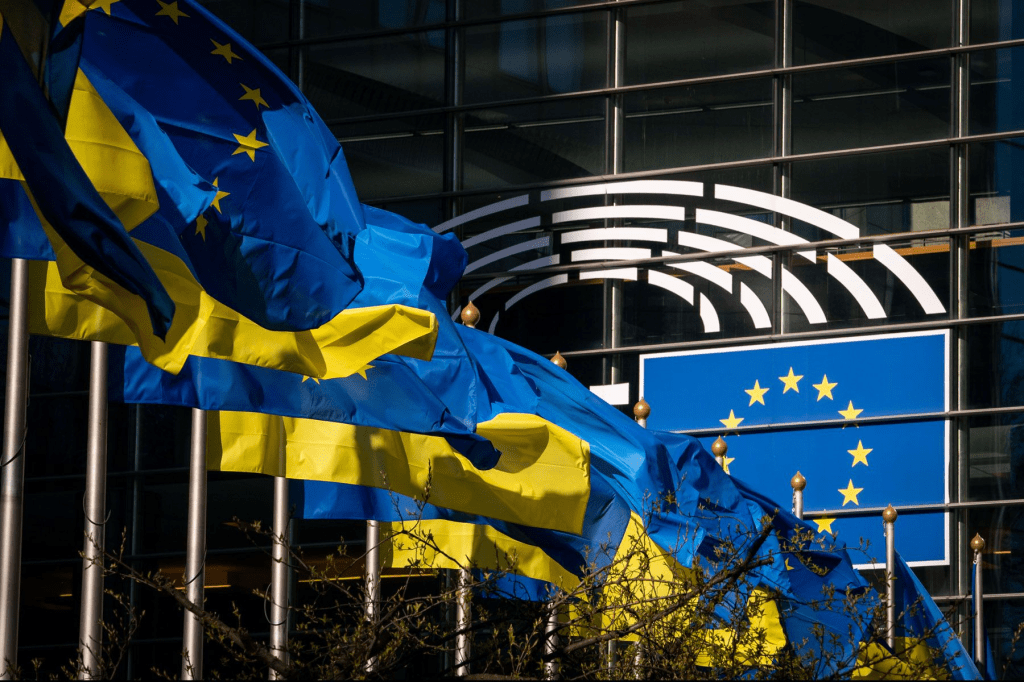
Diplomats familiar with the negotiations revealed that member states, including France and Italy, were reluctant to commit to specific financial contributions, resulting in a stalemate on the ammunition funding. As the conflict in Ukraine continues, EU leaders are increasingly apprehensive about being sidelined in negotiations between U.S. President Donald Trump and Russian President Vladimir Putin.
During the summit, leaders scrutinized Trump’s recent diplomatic efforts, which successfully halted attacks on energy infrastructure but failed to establish a ceasefire to end the ongoing conflict. This ongoing uncertainty has left EU leaders grappling with how to effectively assist Ukraine in its defense efforts.
Disagreements also emerged regarding the appointment of a chief representative for the EU to oversee negotiations. Spanish Prime Minister Pedro Sánchez emphasized the need for a dedicated team of negotiators, leading to a tense exchange with EU foreign affairs chief Kaja Kalas. When Sánchez reiterated his call for a special envoy during a closed-door meeting, Kalas expressed frustration, questioning her role in the process.
In a related plea, Ukrainian President Volodymyr Zelensky urged EU leaders to expedite the allocation of the €5 billion for ammunition purchases, stating, “It is vital that your support for Ukraine does not diminish but rather continues and grows—especially regarding air defense, military assistance, and our collective resilience.”
While Trump has called for a ceasefire, Putin has insisted on halting arms supplies to Ukraine as part of any broader agreement, complicating EU support further. Earlier this year, Kalas proposed a military assistance package totaling up to €40 billion for EU members by 2025, following an allocation of €20 billion to Kiev in 2024. This assistance would be voluntary, encouraging participants to contribute based on their economic capacity.
Looking ahead, a meeting scheduled in Paris next week will address Europe’s stance and demands concerning the peace process, involving Germany, Italy, and Poland, along with non-EU nations such as the UK and Canada.
Hungary remains a notable outlier under Prime Minister Viktor Orbán, as it continues to resist providing assistance to Ukraine. However, efforts to persuade Orbán to support an agreement among all 27 member states have been abandoned, prompting leaders to accept the need to proceed without Budapest at this juncture.
 Political and economic news with a Baltic accent