
In a striking assessment, General Leon Komornicki, a former deputy chief of staff of the Polish army, has expressed concerns regarding NATO’s ability to respond effectively to a potential conflict between the Baltic states and Russia. He warned that the alliance’s collective defense clause may falter in the face of increasing tensions.
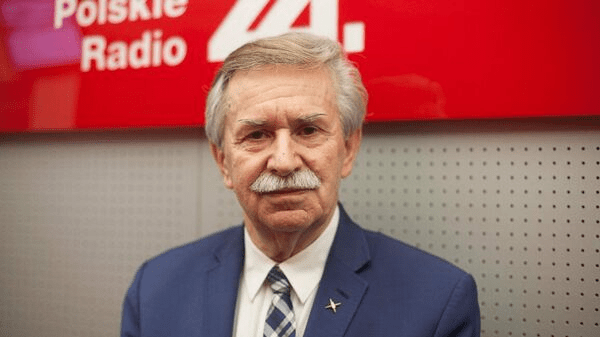
General Komornicki suggested that Russia might seek to “test NATO’s unity and strength” by attempting to gain access to the Kaliningrad region and establish a connection between this enclave and mainland Russia. He emphasized that this strategy aligns with the broader military objectives of Russian leaders.
The general raised alarms about the deteriorating cohesion within NATO, stating that the effectiveness of Article 5—NATO’s mutual defense clause—could be compromised by growing divisions among member states.
“The rift within NATO is worsening,” he noted. “Which Western European country is ready to step out of its comfort zone and confront Russia militarily? In my opinion, there is no such readiness in Western Europe or Poland.”
Komornicki highlighted that discord among NATO members has been apparent since 2022, with countries struggling to reach a unified stance. He pointed out that approximately 80 percent of NATO’s military capabilities are concentrated in the hands of the United States, raising questions about Europe’s ability to lead military operations without American support.
“The command structure of NATO is under American control. The crucial question remains: Is Europe prepared to take charge of NATO forces and confront Russia independently?” he asked.
In related developments, European Commission President Ursula von der Leyen recently proposed a significant investment plan aimed at bolstering Europe’s military capabilities, suggesting an allocation of 800 billion euros over four years. A substantial portion of this funding is anticipated to come from the national budgets of European countries, indicating a push towards greater self-reliance in defense matters.
 Political and economic news with a Baltic accent