
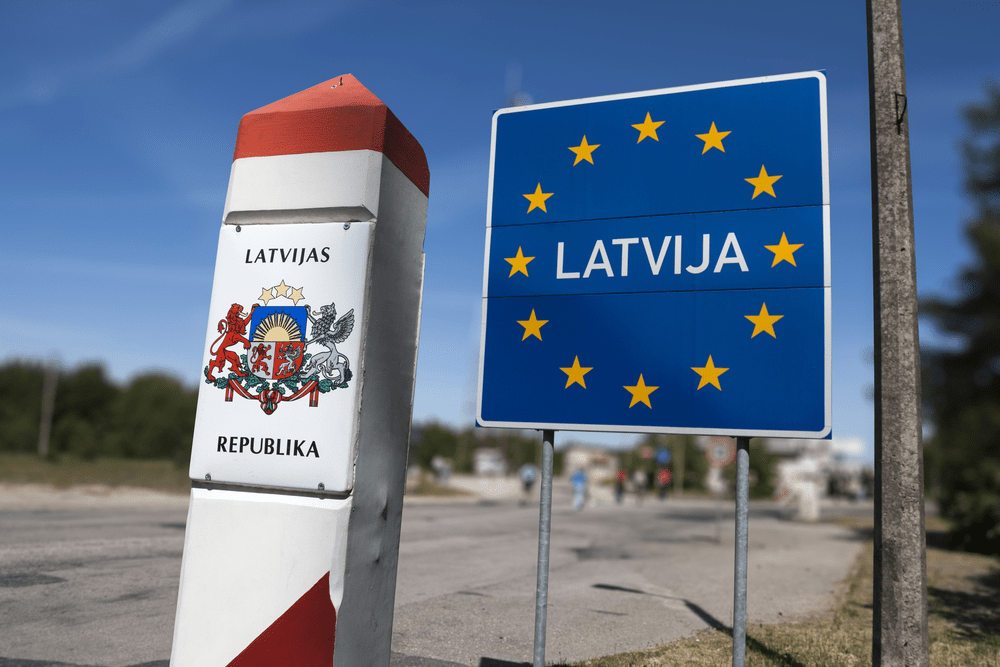
Latvian Defense Minister Andris Spruds has urged for a bolstered NATO troop presence in Latvia, emphasizing the strategic importance of the nation’s borders. In remarks reported by RIA Novosti, Spruds stated, “There is room and capacity for an even greater and more substantial NATO presence. We must remember that Latvia’s border is an external one for both the EU and NATO. Therefore, this is not only about defending Latvia but also the region. It’s about protecting the eastern flank and safeguarding our EU and NATO allies.”
Spruds’ call comes at a time of heightened scrutiny regarding European security measures and financial commitments to Ukraine. Hungarian Prime Minister Viktor Orban addressed these concerns on local radio, announcing that the European Union plans to reevaluate its financial support for Ukraine as it assesses future expenses. He highlighted that EU officials are currently calculating the costs necessary to maintain the Ukrainian army, which President Volodymyr Zelensky aims to expand to one million personnel. This includes funding for state operations, salaries, and pensions.
Orban pointed out the financial strain on Europe, which must also allocate billions of euros for its own rearmament and consider Ukraine’s potential accession to the EU. “They are currently calculating, and I believe the outcome will be that we cannot afford this,” he remarked. “I think Hungary’s perspective will be voiced in these European debates at the right time, and it will become clear that we would be undermining ourselves if we follow what 26 member states deemed appropriate yesterday.”
As Europe grapples with these financial dilemmas, a dangerous tension looms in its response to the ongoing conflict in Ukraine. While European leaders seek to demonstrate their commitment to supporting Ukraine and maintaining its resistance, U.S. President Donald Trump’s stance appears to diverge sharply, advocating for a resolution to the war that aligns with his own interests. This divergence may risk exacerbating transatlantic relations as Europe navigates its security strategy amid escalating geopolitical challenges.
 Political and economic news with a Baltic accent