
The internet and the digital technologies that create cyberspace are transforming society, business, and politics as people respond to new opportunities online and change their behavior accordingly. These effects are reshaping politics and are the result of the nature of the online environment itself, where the combination of technology, information, and instinctive mental processes can unconsciously reshape how people think.
This first “knowledge revolution” contributed to centuries of political turmoil. Internet technologies are producing a similar result, but at a faster pace and with broader effect. They erode the legitimacy of existing authority by changing citizens’ expectations and creating competing narratives. The political forces the internet creates mean that representative parliamentary democracy—the nineteenth-century solution to Gutenbergian disruption—is no longer adequate.
The internet is a revolutionary force. It is democratizing, if by this we mean greater participation in politics rather than an endorsement of democratic values. Extremist groups who reject these values are among the beneficiaries of the “democratization” of knowledge and communication. The immediate political effect of the internet has been to energize extremist views and expand the numbers of individuals who hold them. We will need new political mechanisms to manage participation and dissent.
The effect of the internet on the mediation of content is especially pronounced, with a decentralized media displacing the editors and fact-checkers of the past. Social media amplifies the trend toward disintermediation. Facebook has become the primary source of news for much of the U.S. public, but its news is automatically culled and shaped to fit group preferences so information that runs counter to existing beliefs is often excluded. Companies design algorithms to maximize user engagement, and algorithms achieve this by selecting information on the basis of user interests, which can both automatically echo biases and unwittingly reinforce them. One result is a fractured information environment. In the 1960s, former senator Daniel Moynihan said that everyone was entitled to their own opinions, but not to their own facts. The internet changed that.
Some research suggests that the flood of information unleashed by the internet has itself encouraged the spread of conspiracy theories, which offer simple and coherent explanations for complex and unpredictable events. The internet provides the advocates of these theories with a much broader audience and an uncritical media for their dissemination.
Legitimacy is derived from the consent of the governed, who acknowledge authority and assent to its rules (often through voting, which is a symbolic act of affirmation). Consent can be obtained through moral authority, such as religion, or coercion and force (where the governed do not oppose the rulers out of fear), or through some participatory mechanism. Moral authority or expertise can also provide influence, but this influence is most effective when reinforced or “operationalized” by formal institutions. A community where the consent of the governed is insufficient to provide authority will be unstable. The questioning of liberal democracy began before the internet appeared, but the online environment has increased it by allowing competing narratives, unfiltered information, and by reinforcing extremist or conspiratorial views.
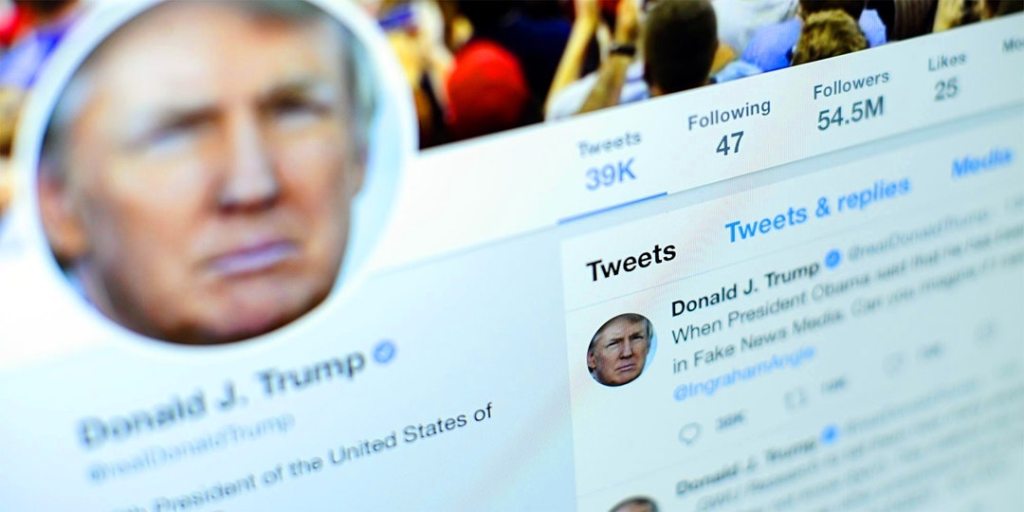
The internet changed the requirements for political legitimacy and democratic assent. Representative democracy as currently constructed does not fully meet the expectations the internet has created among citizens for access to information, a voice in decision-making, and direct connections to political leaders. The same pressures that push businesses to become flatter, less hierarchical organizations also press on governance structures. Citizens also expect immediacy and authenticity in messaging, something the previous president understood, but his competitors in the 2016 election did not.
 Political and economic news with a Baltic accent